Imagine eating enough food every day to feel full, yet still being desperately malnourished. This is the reality of widespread, chronic malnutrition, a condition affecting billions globally, characterized by a lack of essential vitamins and minerals—micronutrients—in the diet.
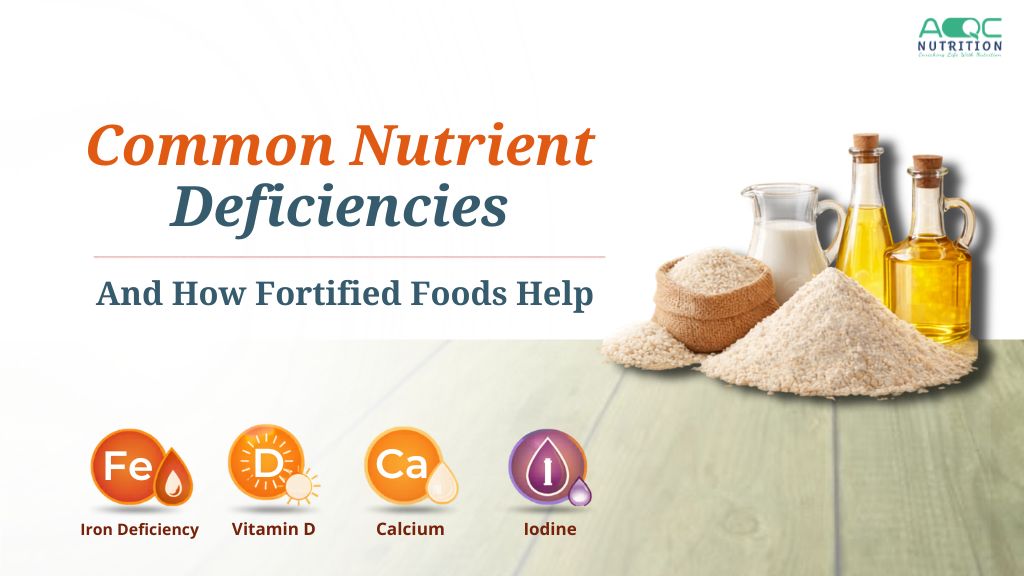
Micronutrients like vitamin A, iodine, iron, and folic acid are the tiny, unseen heroes responsible for everything from cognitive development and immune function to energy production. When the diet lacks these essentials, the body suffers silently. Deficiencies can lead to severe health consequences, including weakened immunity, poor growth in children, birth defects, and reduced productivity in adults.
So, how do we efficiently and affordably deliver these vital nutrients to the masses? The answer lies in a simple, scalable solution: micronutrient premixes.
What exactly is a Micronutrient Premix?
A micronutrient premix is a carefully formulated, stable blend of two or more essential vitamins and minerals. Think of it as a nutrient “cocktail” designed by food scientists and nutritionists.
These premixes are the foundational ingredient used in food fortification, which is the process of deliberately increasing the content of an essential micronutrient in a food to improve its nutritional quality and provide a public health benefit with minimal risk to health.
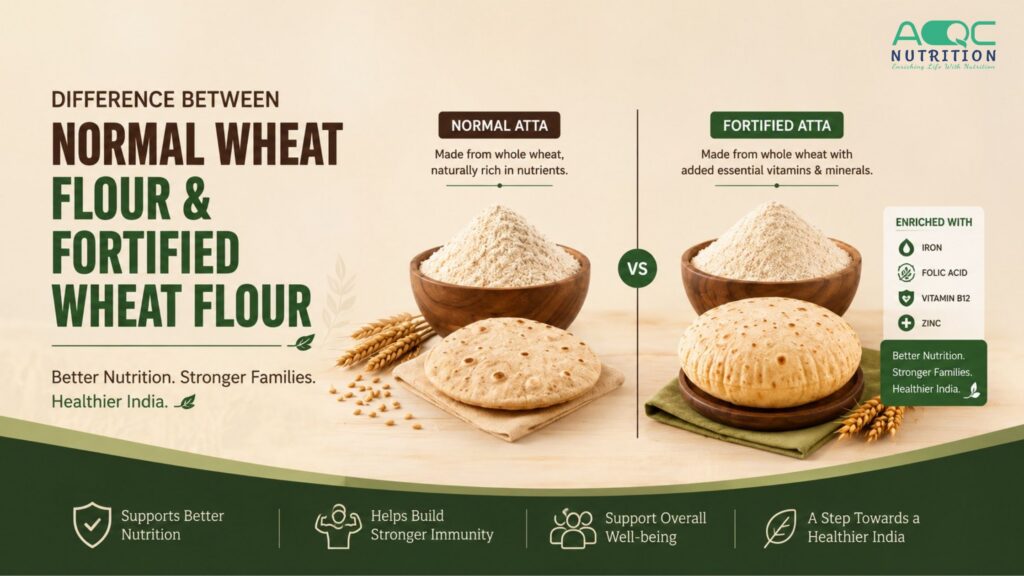
For example, a typical premix used for fortifying wheat flour might contain:
- Iron: To fight anemia.
- Folic Acid: To prevent neural tube defects.
- B Vitamins (like B1, B2, and B12): To support energy metabolism.
- Zinc: For immune support and growth.
The Secret to Success: Precision, Stability, and Scale
Premixes are highly effective in reducing deficiencies because they solve three major logistical challenges:
- Precision and Bioavailability
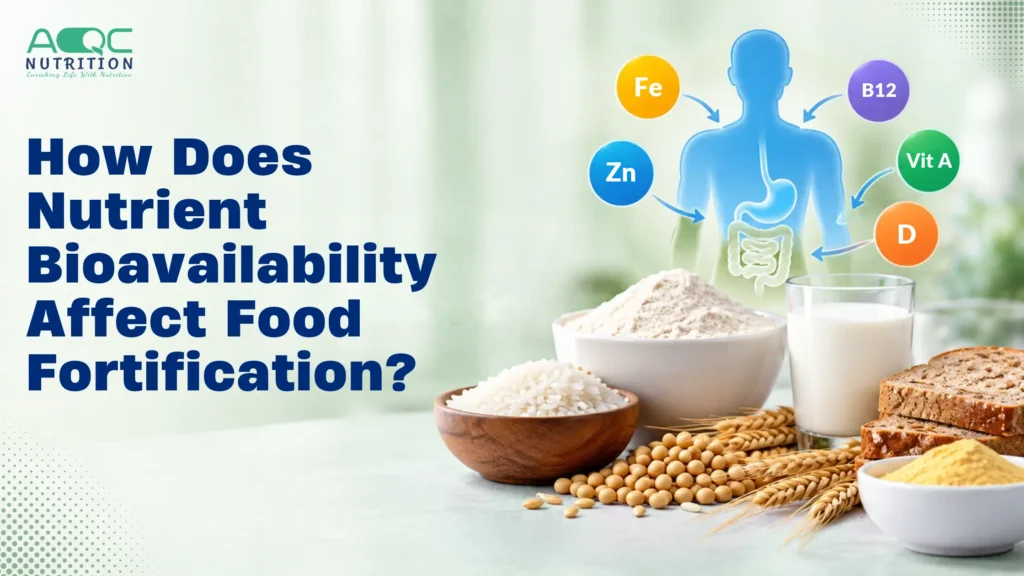
Micronutrient deficiencies are effectively addressed only when the nutrients are correctly absorbed. Premixes are engineered to contain precise, measured amounts of nutrients that are bioavailable—meaning the body can easily absorb and utilize them to correct existing deficits. Scientists select specific, stable forms of compounds (like certain iron salts or vitamin forms) that won’t degrade during food processing or cooking and won’t negatively alter the taste or texture of the final food product, ensuring both efficacy and consumer acceptance. - Stability and Uniformity
To eliminate population-level deficiencies, every consumer must receive a reliable dose. Premixes guarantee the uniformity of nutrient distribution within large batches of food, ensuring that every serving—whether it’s a handful of rice, a slice of bread, or a spoonful of oil—delivers a consistent and reliable dose. Furthermore, the premix formulation protects the unstable vitamins and minerals from environmental factors like light, heat, and moisture, maintaining their full potency (stability) until consumption. - Cost-Effective Scaling
Widespread nutrient deficiency requires a universal solution. The power of premixes lies in their ability to achieve mass food fortification—the addition of nutrients to staple foods that billions already consume daily. Instead of relying on individuals to take supplements or change complex dietary habits, premixes seamlessly integrate the solution into existing food supply chains. This low-cost, high-reach strategy enables the swift and sustainable reduction of deficiencies across entire populations.
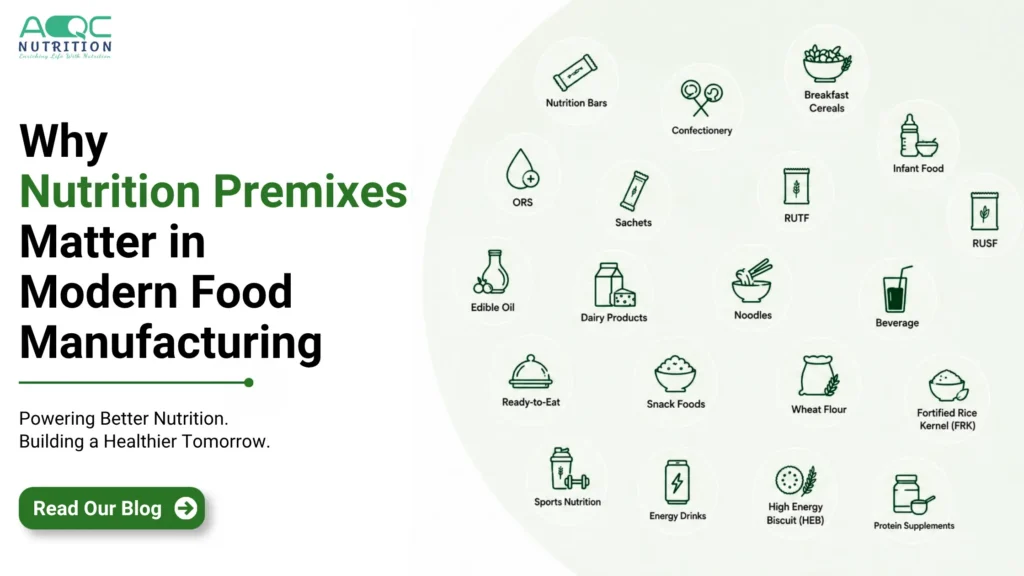
The fortified staple foods include:
- Flour (Wheat, Maize): For bread, pasta, and pastries.
- Rice: The primary staple for over half the world’s population.
- Salt: Universal carrier for iodine.
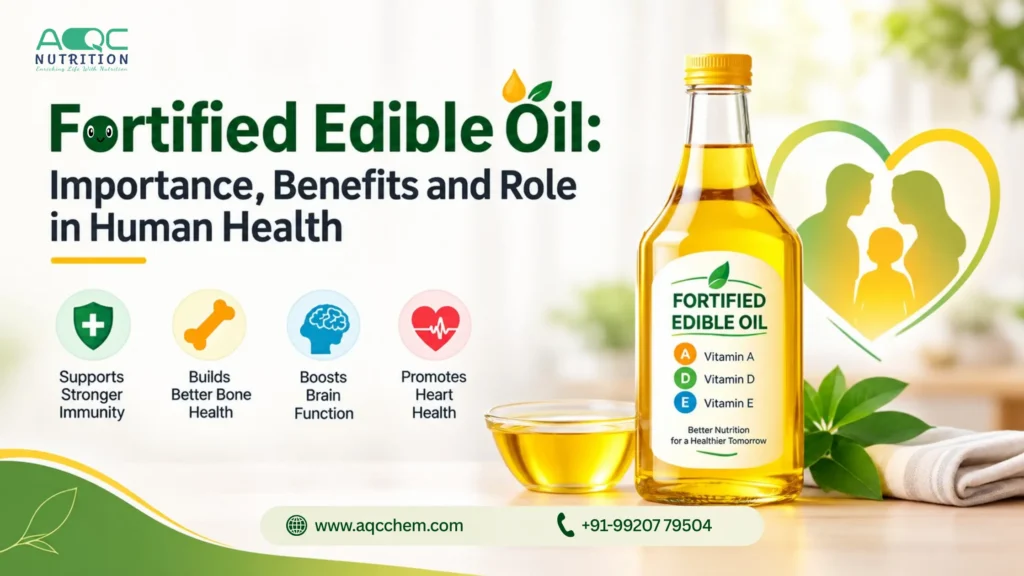
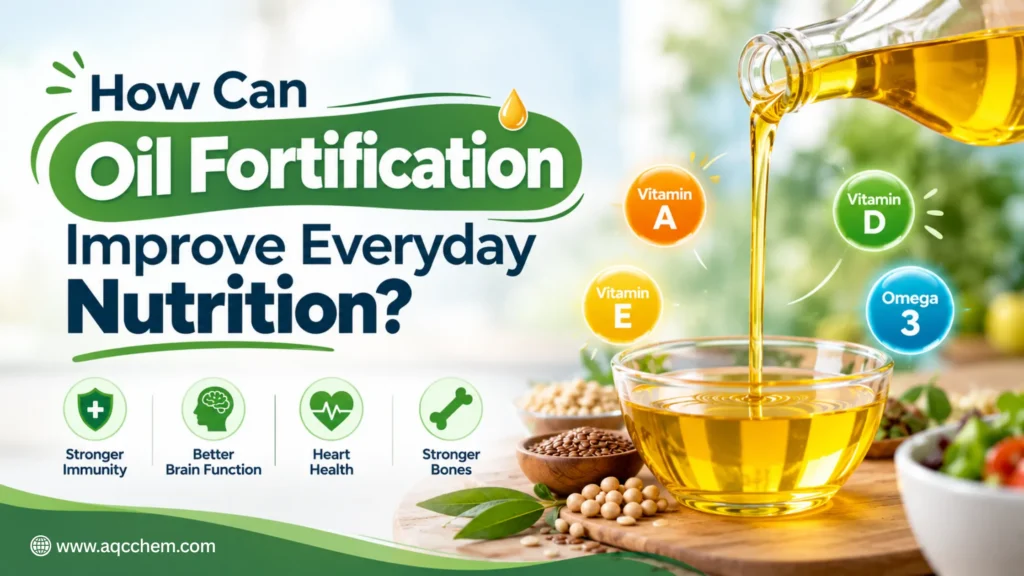
- Cooking Oil and Sugar: For vitamins like A and D
By integrating the solution into existing food supply chains, the cost is minimal—often just pennies per person per year—yet the public health benefit is enormous.
Proven Impact: A Quiet Revolution in Health
The Implementation of micronutrient premixes in Staple Foods has led to major public health victories worldwide:
- Iodine Deficiency – South Asia, Africa & Latin America:
Universal salt iodization programs, implemented widely across India, South Asia, Sub-Saharan Africa, and Latin America, have significantly reduced iodine deficiency disorders (IDD), contributing to improved cognitive development and thyroid health. - Folic Acid – North America, Latin America & Parts of Asia:
Mandatory fortification of wheat flour with folic acid in regions such as North America (USA, Canada) and several Latin American countries, followed by adoption in parts of Asia, has led to a substantial decline in neural tube defects in newborns. - Iron Deficiency – South Asia, Africa & Southeast Asia:
Iron fortification of staple foods like wheat flour, rice, and maize has been widely introduced across India, South Asia, Africa, and Southeast Asia, helping reduce iron-deficiency anemia, particularly among women, adolescents, and children—thereby improving energy levels, immunity, and productivity.
Micronutrient premixes are the quiet force behind a massive global shift toward better health, transforming basic food ingredients into powerful allies in the fight against chronic nutrient deficiencies.
AQC Chem remains committed to delivering high-quality, scientifically formulated premixes that support effective fortification initiatives and help reduce micronutrient deficiencies at scale.