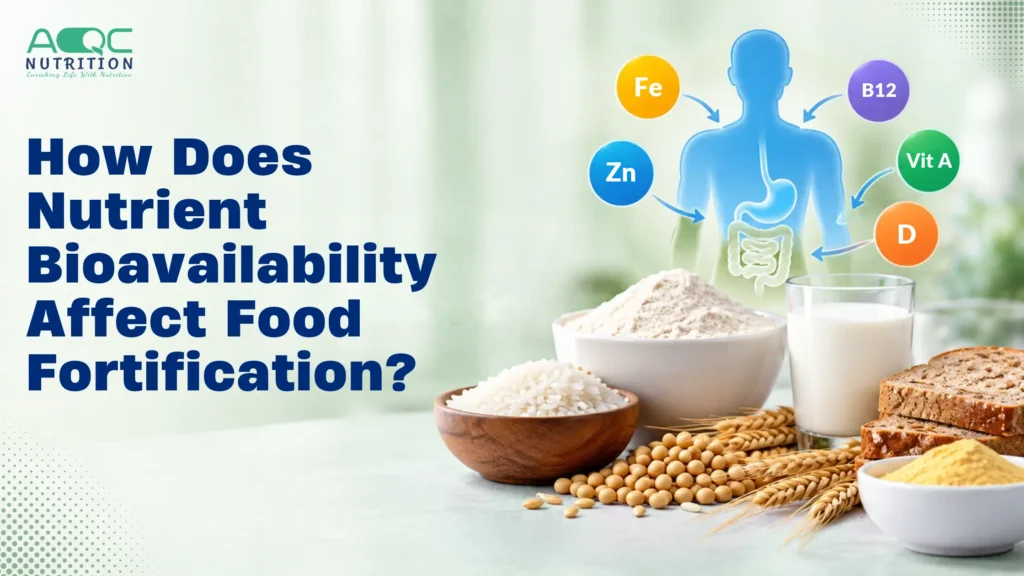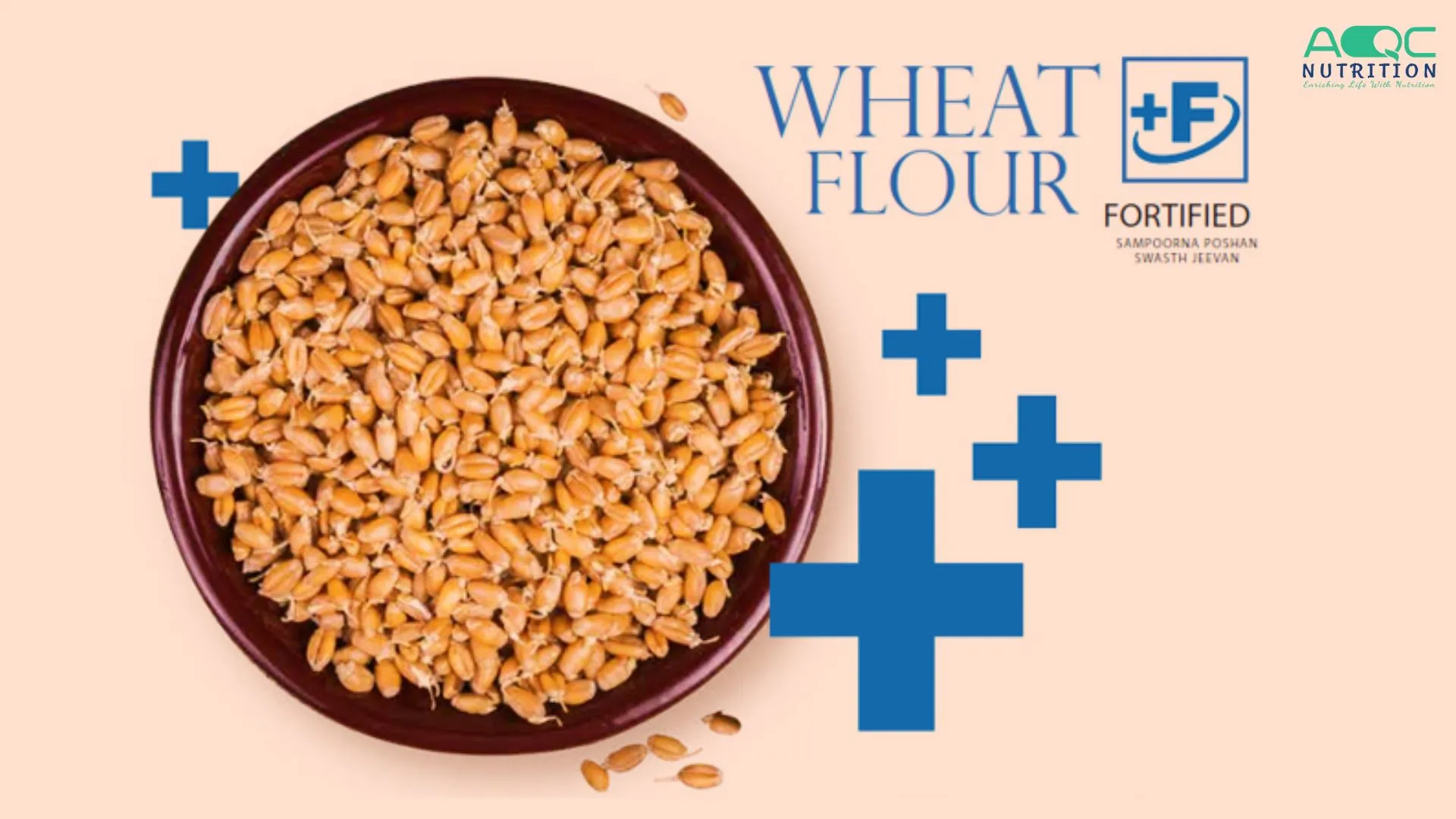
In many developing countries, people may eat enough calories but still lack vital vitamins and minerals, leading to widespread occurrence of multiple micronutrient deficiencies or malnutrition. Micronutrient deficiency is prevalent in India as well. Though food may be accessible, diets are often dominated by a narrow range of staple cereals, and micronutrient deficiency remains widespread. This is where Wheat fortification plays a crucial role by enriching commonly consumed staples with essential nutrients. Recent studies show that in India, around 61 % of people are deficient in Vitamin D, 54 % are iron-deficient, and 53 % lack adequate vitamin B12. Clearly, the issue is about what constitutes the food being eaten as much as how much is being consumed.
To close this nutritional gap, India is increasingly turning to food-based solutions, particularly large-scale fortification of staple foods, such as wheat grains, and targeted fortification for vulnerable groups like children and pregnant women.
Benefits of Fortified Wheat
- Allows the integration of essential vitamins and minerals into widely consumed grains without altering eating habits
- Enriched grains reach broad groups via public-distribution systems and school meal programmes
- It is cost-effective and scalable in regions with limited dietary diversity
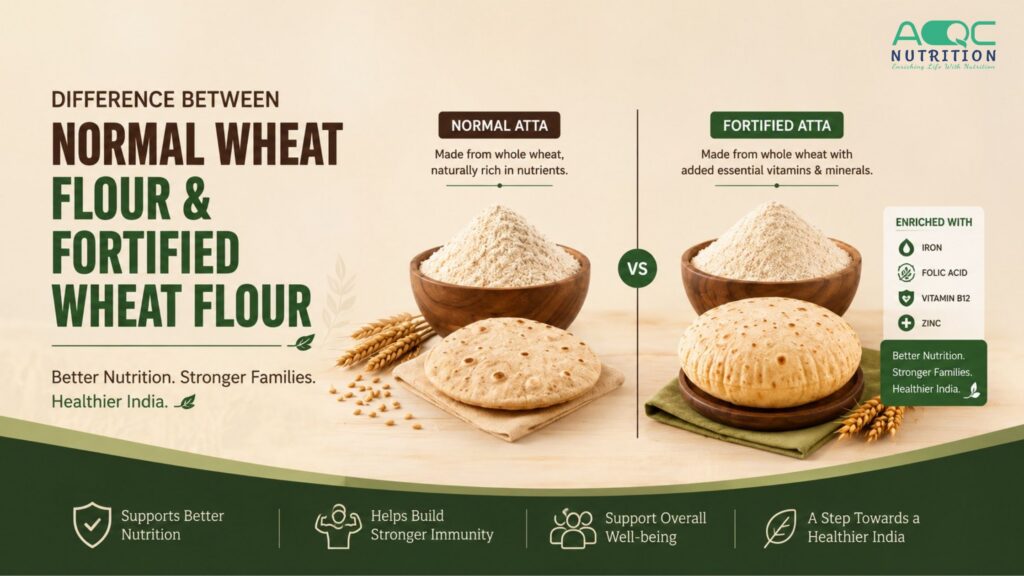
- Helps reduce deficiencies in iron, folic acid, vitamin B12, zinc, and other micronutrients
- Supports maternal, child, and adolescent health by strengthening baseline nutrition
India’s strategic efforts reflect these gains. Since 2019, the government has been scaling up the supply of fortified foodgrains under major social-safety net programmes, enabling millions of malnourished people to get access to micronutrients through staple food distribution. As per a report published in 2023, the statistics underline the urgency: for example, the overall prevalence of iron deficiency is approximately 54 % and vitamin D deficiency about 61 % in India’s population across different age groups.
Why foodgrains?
Wheat remains one of the most widely consumed staples in India. Because it forms the backbone of daily diets across socio-economic groups, fortifying wheat allows micronutrients to reach broad segments without necessitating changes in food habits or local customs. For example, through existing public distribution and midday meal systems, flour made from enriched foodgrains, including wheat, can be delivered seamlessly, helping ensure that children, women, and adolescents have access to the minimum required nutrition.
Achieving Nourishment Goals with Fortification
As a recent notable example of how fortification is becoming a vital antidote to alleviate malnutrition at a national level, India achieved the full replacement of regular processed rice grains distributed through public welfare programmes with their fortified variant between 2019 and March 2024. Moreover, the government approved a budget of ₹17,082 crore to continue these fortified grains till the end of 2028. Under the Wheat‑Based Nutrition Programme (WBNP) and the Scheme for Adolescent Girls (SAG) from 2021-22, nutritional supplies derived from fortified foodgrains have replaced non-fortified variants in Anganwadi centres and adolescent meal programmes. The goal of replacing regular foodgrains with fortified variants is to combat malnutrition and anaemia driven by deficiencies in iron, folic acid, and vitamin B12.
Towards a Nourished Future
The enrichment of foodgrains, such as wheat, is not a solitary solution—it works in combination with other methods to counter malnutrition, such as targeted supplementation, alternative cooking methods that preserve nutrients, better storage practices, and diet diversification. However, in a country where staple cereals dominate daily calorie intake and dietary diversity remains limited, such enhancement of grains offers a pragmatic, scalable method. When wheat is enriched with iron, folic acid, vitamin B12, and other micronutrients, the gap between consumed calories and consumed nutrients becomes increasingly narrower.
India’s strategy to tackle micronutrient deficiency shows resolve: the approval of massive budgets for fortified grain supplies till 2028 proves that fortification is being considered as a serious long-term solution, not just another experimental trick or afterthought to help vulnerable groups meet their nutritional needs.
In conclusion, fortification of foodgrains, such as wheat, offers hope for millions of malnourished people. By embedding vital micronutrients into staple food items, India stands a stronger chance of turning widespread malnutrition into revitalised health, productivity, and esilience.
Partner with AQC Chem to deliver smarter fortification solutions. Contact us today to enhance the nutritional value of your food products with precision and quality you can trust. Please Contant our Number:- +91 99207 79504