Blog
Explore a treasure trove of expert advice and interesting article.
The Power of Premixes: How a Simple Blend Fights Micronutrient Deficiency
Imagine eating enough food every day to feel full, yet still being desperately malnourished. This is the reality of widespread, chronic malnutrition, a condition affecting billions globally, characterized by a lack of essential vitamins and minerals—micronutrients—in the diet.
Micronutrients like vitamin A, iodine, iron, and folic acid are the tiny, unseen heroes responsible for everything from cognitive development and immune function to energy production. When the diet lacks these essentials, the body suffers silently. Deficiencies can lead to severe health consequences, including weakened immunity, poor growth in children, birth defects, and reduced productivity in adults.
So, how do we efficiently and affordably deliver these vital nutrients to the masses? The answer lies in a simple, scalable solution: micronutrient premixes.
What exactly is a Micronutrient Premix?
A micronutrient premix is a carefully formulated, stable blend of two or more essential vitamins and minerals. Think of it as a nutrient “cocktail” designed by food scientists and nutritionists.
These premixes are the foundational ingredient used in food fortification, which is the process of deliberately increasing the content of an essential micronutrient in a food to improve its nutritional quality and provide a public health benefit with minimal risk to health.
For example, a typical premix used for fortifying wheat flour might contain:
- Iron: To fight anemia.
- Folic Acid: To prevent neural tube defects.
- B Vitamins (like B1, B2, and B12): To support energy metabolism.
- Zinc: For immune support and growth.
The Secret to Success: Precision, Stability, and Scale
Premixes are highly effective in reducing deficiencies because they solve three major logistical challenges:
- Precision and Bioavailability
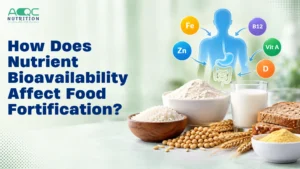
Micronutrient deficiencies are effectively addressed only when the nutrients are correctly absorbed. Premixes are engineered to contain precise, measured amounts of nutrients that are bioavailable—meaning the body can easily absorb and utilize them to correct existing deficits. Scientists select specific, stable forms of compounds (like certain iron salts or vitamin forms) that won’t degrade during food processing or cooking and won’t negatively alter the taste or texture of the final food product, ensuring both efficacy and consumer acceptance. - Stability and Uniformity
To eliminate population-level deficiencies, every consumer must receive a reliable dose. Premixes guarantee the uniformity of nutrient distribution within large batches of food, ensuring that every serving—whether it’s a handful of rice, a slice of bread, or a spoonful of oil—delivers a consistent and reliable dose. Furthermore, the premix formulation protects the unstable vitamins and minerals from environmental factors like light, heat, and moisture, maintaining their full potency (stability) until consumption. - Cost-Effective Scaling
Widespread nutrient deficiency requires a universal solution. The power of premixes lies in their ability to achieve mass food fortification—the addition of nutrients to staple foods that billions already consume daily. Instead of relying on individuals to take supplements or change complex dietary habits, premixes seamlessly integrate the solution into existing food supply chains. This low-cost, high-reach strategy enables the swift and sustainable reduction of deficiencies across entire populations.
The fortified staple foods include:
- Flour (Wheat, Maize): For bread, pasta, and pastries.
- Rice: The primary staple for over half the world’s population.
- Salt: Universal carrier for iodine.
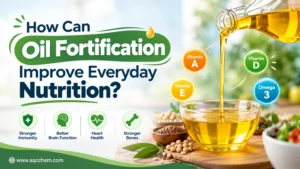
- Cooking Oil and Sugar: For vitamins like A and D
By integrating the solution into existing food supply chains, the cost is minimal—often just pennies per person per year—yet the public health benefit is enormous.
Proven Impact: A Quiet Revolution in Health
The Implementation of micronutrient premixes in Staple Foods has led to major public health victories worldwide:
- Iodine Deficiency – South Asia, Africa & Latin America:
Universal salt iodization programs, implemented widely across India, South Asia, Sub-Saharan Africa, and Latin America, have significantly reduced iodine deficiency disorders (IDD), contributing to improved cognitive development and thyroid health. - Folic Acid – North America, Latin America & Parts of Asia:
Mandatory fortification of wheat flour with folic acid in regions such as North America (USA, Canada) and several Latin American countries, followed by adoption in parts of Asia, has led to a substantial decline in neural tube defects in newborns. - Iron Deficiency – South Asia, Africa & Southeast Asia:
Iron fortification of staple foods like wheat flour, rice, and maize has been widely introduced across India, South Asia, Africa, and Southeast Asia, helping reduce iron-deficiency anemia, particularly among women, adolescents, and children—thereby improving energy levels, immunity, and productivity.
Micronutrient premixes are the quiet force behind a massive global shift toward better health, transforming basic food ingredients into powerful allies in the fight against chronic nutrient deficiencies.
AQC Chem remains committed to delivering high-quality, scientifically formulated premixes that support effective fortification initiatives and help reduce micronutrient deficiencies at scale.
What Is a Nutrient Premix? A Complete Guide for the Food Industry
Micronutrient deficiencies often go unnoticed for extended periods, as their
effects aren’t always immediately visible. Food fortification has become a
cost-effective process to overcome this problem.
The foundation of fortification is the nutrient premix, a carefully designed
combination of vitamins, minerals, amino acids, and other nutritional bioactives.
These blends are combined with various consumable items at the time of
manufacturing to boost their nutritional content.
These blends empower processed food manufacturers to offer products with
consistent texture, better quality, and assured safety while enhancing nutritional
content. The importance of nutrient blends can be understood by knowing their
composition, function, and usage in greater detail.
How Nutrient Blends Are Made
The formulation of a premix involves a carefully monitored process, backed by
science. The selection of the right nutrients and combining them in the right
proportion is vital to creating an effective combination. The choice of each
nutrient depends on multiple factors like shelf life, ability to blend well with other
nutrients, and suitability for the final product.
A scientific analysis of the final formulation, based on several parameters, ensures
that when the blend is added to a food product, it provides the required nutritive
effects while maintaining the food’s taste and quality when on the shelf.
Composition: Ingredients and Their Purpose
While formulations may differ depending on the product’s intended use, they
generally include:
- Vitamins (A, B-complex, C, D, E, K)
- Minerals (iron, zinc, iodine, calcium, magnesium)
- Amino acids and other bioactives, such as omega-3 fatty acids or botanical extracts
Each nutrient in a blend has a specific function—iron helps in hemoglobin
production, vitamin D aids in calcium absorption, and vitamin A supports
eyesight and the immune system—making them a holistic, advanced nutritional
option.
Categorization
Nutrient blends come in different varieties, and they can be categorized
according to their application or target consumer:
- Powdered blends, suitable for dry items like flour, grain blends, and bakery products
- Liquid blends, which are ideal for beverages, dairy products, and oils
- Blends for human use, added to fortified food items, medically recommended diets, and infant nutrition.
One Blend, Many Forms
Nutrient blends are suitable for large-scale industrial usage due to their
adaptability and versatility. The components of a nutrient blend can be modified
to suit different criteria, such as:
- The physical properties of a food product (solid, semi-solid, or liquid)
- The target audience (patients, children, women, athletes, etc.)
- Regional/national laws and regulations
- Features like aroma, taste, texture, and durability
By customizing the nutrient blends, manufacturers can come up with unique
combinations, diverse nutritional profiles, and fulfill both customer needs and
regulatory requirements.
Industrial Applications
Premixes are widely used in:
- Fortified and enriched foods like flour and oils
- Food for babies and young children
- Products derived from different flours
- Dairy-based foods and beverages
- Diets advised by doctors
Blending Into a Better Future
These days, people often confuse calorie intake with proper nutrition. In such a
scenario, premixes can be beneficial for bridging the nourishment gap. They
serve as an essential resource for addressing nutritional deficiencies whose
effects remain hidden for a long time. Nutrient blends have been known to show
a visible positive impact on malnutrition in the long run. Besides food
enrichment, they also help sportspersons for better performance, boost the
immune system, and promote sustainability by delivering nutrients effectively.
For businesses, the use of micronutrient blends is no longer a small step taken to
make a minor change to a recipe. It has become a key consideration,
representing a serious step towards delivering nutrition responsibly.
For reliable, high-quality premixes tailored to enhance the nutritional precision,
trustworthiness, and efficacy of your products, get in touch with AQC Nutrition.
Wheat Flour Fortification in India: Key Insights from the Latest White Paper
Anaemia continues to be one of India’s most persistent public health challenges, affecting millions of women, children, and adolescents. Despite long-standing government efforts that include supplementation programmes, awareness campaigns, and nutrition schemes, iron-deficiency anemia remains widespread. The latest White Paper by Fortify Health, “Strengthening Nutrition Security: A Policy Roadmap for Wheat Flour Fortification in India,” provides a comprehensive, evidence-based explanation of why wheat flour fortification is a practical and scalable solution for addressing India’s micronutrient gaps. This article highlights the major points of the White Paper and explains how wheat flour fortification can support national health goals.
The Scale of the Anaemia Problem
Anaemia affects major sections of India’s population, especially women of reproductive age and young children. The White Paper notes that despite various interventions, anaemia levels have not declined enough to meet national nutrition targets. Iron deficiency continues to impact physical strength, immunity, cognitive development, pregnancy outcomes, and overall productivity.
One of the main challenges highlighted in the White Paper is the limited and irregular use of iron supplements. Even when iron tablets are available, many beneficiaries do not take them consistently due to side effects, forgetfulness, or lack of awareness. This reduces the impact of supplementation programmes and creates the need for alternative approaches that do not rely on individual behaviour.
Why Wheat Flour Fortification Matters
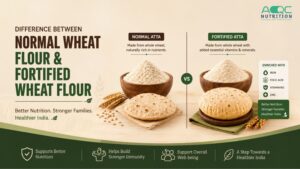
The White Paper identifies wheat flour fortification as a powerful strategy for reducing anemia. Wheat is a daily staple for more than 500 million Indians, especially in northern and central states. Since wheat is consumed regularly across households, fortifying flour with iron, folic acid, and vitamin B12 can deliver essential nutrients directly through everyday diets.
A key advantage discussed in the White Paper is that fortification requires no change in food habits. People continue eating the foods they are used to, while micronutrient intake naturally increases. This makes fortification a behaviour-neutral, population-wide solution that reaches both urban and rural communities.

Scientific Evidence Supporting Fortification
The White Paper brings together strong scientific evidence showing that wheat flour fortification effectively reduces iron deficiency. Research from multiple countries, along with Indian studies, demonstrates that fortified flour improves iron levels and decreases the prevalence of anaemia. The findings presented in the paper show that consistent consumption of fortified wheat flour can boost nutritional status among children, adolescents, and adults.
These results indicate that fortification is not only safe and feasible but also one of the fastest ways to improve micronutrient intake at scale. By supporting ongoing food-based strategies, fortified wheat flour can play a significant role in reducing the national anaemia burden.
Affordability and High Return on Investment
One of the strongest arguments in the White Paper is the cost-effectiveness of wheat flour fortification. Fortifying one kilogram of wheat flour costs only a few paise, making it an extremely affordable public health intervention. Despite its low cost, the potential health benefits are high.
The White Paper also highlights the economic impact of anemia, which contributes to reduced productivity and increased healthcare expenses. By improving iron intake through fortified flour, India can reduce these losses and strengthen human capital over time. The document notes that investing in fortification is financially efficient both for all the stakeholders, including government and public authorities.
Existing Systems That Support Scale-Up
A major strength identified in the White Paper is that India already has the infrastructure required to expand wheat flour fortification. Large-scale food distribution programmes like the Public Distribution System (PDS), Integrated Child Development Services (ICDS), and PM POSHAN reach hundreds of millions of people across the country. These programmes distribute wheat widely and can integrate centrally milled fortified flour with minimal structural changes.
In addition, several states have already tested or implemented wheat flour fortification. These pilots have shown that fortification is operationally feasible, acceptable to consumers, and effective in improving nutritional outcomes. The White Paper points out that more than a hundred flour mills in multiple states are already producing fortified flour, showing readiness for further expansion.
Policy Recommendations from the White Paper
To strengthen fortification efforts, the White Paper provides several practical recommendations. It suggests that wheat flour fortification should be made mandatory within major government food schemes to ensure consistent access for vulnerable groups. It also advises prioritising states with high anaemia rates and high wheat consumption for the first phase of implementation.
The White Paper calls for technical and financial support for small and medium flour mills so that they can adopt fortification technologies smoothly. Additionally, it highlights the importance of strong quality control systems to ensure that fortified flour meets required nutrient standards. Finally, the document recommends awareness campaigns to build trust and help people understand the benefits of fortified foods.
Conclusion
The Fortify Health White Paper presents a clear, research-backed case for wheat flour fortification as a scalable, cost-effective solution to India’s anaemia crisis. By integrating fortification into existing food distribution networks and strengthening monitoring systems, India can create a reliable pathway for delivering essential micronutrients to millions of people. With strong policy commitment and operational support, wheat flour fortification can significantly improve national nutrition outcomes and contribute to a healthier future for the country. To support high-quality, compliant, and efficient fortification processes, organisations can rely on AQC Chem for trusted micronutrient premixes and technical expertise.
For comprehensive insights, we encourage you to explore the information available in this resource: https://www.pdffiller.com/s/99_WMABb-.
How Fortified Wheat is Helping Bridge India’s Nutritional Gap
In many developing countries, people may eat enough calories but still lack vital vitamins and minerals, leading to widespread occurrence of multiple micronutrient deficiencies or malnutrition. Micronutrient deficiency is prevalent in India as well. Though food may be accessible, diets are often dominated by a narrow range of staple cereals, and micronutrient deficiency remains widespread. Recent studies show that in India, around 61 % of people are deficient in vitamin D, 54 % are iron-deficient, and 53 % lack adequate vitamin B12. Clearly, the issue is about what constitutes the food being eaten as much as how much is being consumed.
To close this nutritional gap, India is increasingly turning to food-based solutions, particularly large-scale fortification of staple foods, such as wheat grains, and targeted fortification for vulnerable groups like children and pregnant women.
Benefits of Fortifying Wheat
- Allows the integration of essential vitamins and minerals into widely consumed grains without altering eating habits
- Enriched grains reach broad groups via public-distribution systems and school meal programmes
- It is cost-effective and scalable in regions with limited dietary diversity
- Helps reduce deficiencies in iron, folic acid, vitamin B12, zinc, and other micronutrients
- Supports maternal, child, and adolescent health by strengthening baseline nutrition
India’s strategic efforts reflect these gains. Since 2019, the government has been scaling up the supply of fortified foodgrains under major social-safety net programmes, enabling millions of malnourished people to get access to micronutrients through staple food distribution. As per a report published in 2023, the statistics underline the urgency: for example, the overall prevalence of iron deficiency is approximately 54 % and vitamin D deficiency about 61 % in India’s population across different age groups.
Why foodgrains?
Wheat remains one of the most widely consumed staples in India. Because it forms the backbone of daily diets across socio-economic groups, fortifying wheat allows micronutrients to reach broad segments without necessitating changes in food habits or local customs. For example, through existing public distribution and midday meal systems, flour made from enriched foodgrains, including wheat, can be delivered seamlessly, helping ensure that children, women, and adolescents have access to the minimum required nutrition.
Achieving Nourishment Goals with Fortification
As a recent notable example of how fortification is becoming a vital antidote to alleviate malnutrition at a national level, India achieved the full replacement of regular processed rice grains distributed through public welfare programmes with their fortified variant between 2019 and March 2024. Moreover, the government approved a budget of ₹17,082 crore to continue these fortified grains till the end of 2028. Under the Wheat‑Based Nutrition Programme (WBNP) and the Scheme for Adolescent Girls (SAG) from 2021-22, nutritional supplies derived from fortified foodgrains have replaced non-fortified variants in Anganwadi centres and adolescent meal programmes. The goal of replacing regular foodgrains with fortified variants is to combat malnutrition and anaemia driven by deficiencies in iron, folic acid, and vitamin B12.
Towards a Nourished Future
The enrichment of foodgrains, such as wheat, is not a solitary solution—it works in combination with other methods to counter malnutrition, such as targeted supplementation, alternative cooking methods that preserve nutrients, better storage practices, and diet diversification. However, in a country where staple cereals dominate daily calorie intake and dietary diversity remains limited, such enhancement of grains offers a pragmatic, scalable method. When wheat is enriched with iron, folic acid, vitamin B12, and other micronutrients, the gap between consumed calories and consumed nutrients becomes increasingly narrower.
India’s strategy to tackle micronutrient deficiency shows resolve: the approval of massive budgets for fortified grain supplies till 2028 proves that fortification is being considered as a serious long-term solution, not just another experimental trick or afterthought to help vulnerable groups meet their nutritional needs.
In conclusion, fortification of foodgrains, such as wheat, offers hope for millions of malnourished people. By embedding vital micronutrients into staple food items, India stands a stronger chance of turning widespread malnutrition into revitalised health, productivity, and esilience.
India’s Fight Against Malnutrition: How Fortification Is Making a Difference
Malnutrition continues to be one of India’s most persistent public health challenges. Despite remarkable economic growth and increased food production, millions of children and adults still suffer from deficiencies of essential vitamins and minerals — a problem often called hidden hunger.
Hidden hunger doesn’t always mean a lack of food — it means a lack of nutrition. A person may consume enough calories but still lack critical nutrients like iron, vitamin A, zinc, and folic acid that the body needs to grow, develop, and stay healthy.
The Scale of the Problem
According to the National Family Health Survey (NFHS-5) around 36% of Indian children under five years are stunted, and nearly 57% of women aged 15–49 are anemic These numbers highlight the urgent need for large-scale, sustainable nutritional solutions. Poor nutrition not only affects children’s physical and cognitive development but also impacts adult productivity and the nation’s economic growth.
How can Food Fortification provide a Simple, Scalable Solution?
One of the most effective ways to address micronutrient deficiencies is through food fortification — the process of adding essential vitamins and minerals to everyday foods. Fortification improves the nutritional quality of staples like rice, wheat flour, milk, edible oil, and salt without changing their taste, texture, or cooking methods.
It is a safe, cost-effective, and sustainable solution that reaches large populations through commonly consumed foods. For example:
- Fortified rice helps fight anemia and iron deficiency.
- Fortified wheat flour supports energy metabolism and boosts overall immunity by adding nutrients like iron, folic acid, and vitamin B12.
- Fortified milk and oil supply vitamin A and D.
- Fortified salt provides iodine and iron.
Which Government Initiatives are Driving Change?
The Government of India has taken several steps to promote food fortification as a national priority. Under schemes such as POSHAN Abhiyaan, Anaemia Mukt Bharat, and through the Food Fortification Resource Centre (FFRC) established by the Food Safety and Standards Authority of India (FSSAI), multiple programmes are working to make fortified foods accessible through the Public Distribution System (PDS), Mid-Day Meal Scheme(MDM), and the Integrated Child Development Services (ICDS).
Here are some key organisational details:
- POSHAN Abhiyaan is a flagship scheme led by the Ministry of Women and Child Development, launched 8 March 2018.
- Anaemia Mukt Bharat is implemented by the Ministry of Health and Family Welfare under the umbrella of the National Health Mission (NHM)
- The FFRC works under FSSAI to provide technical guidance, standards and monitoring for fortified food interventions.
These organisations and schemes, through multi-ministerial coordination and institutional mechanisms, strive to ensure that fortified staples reach broad populations and help reduce the burden of hidden hunger.
How is AQC Nutrition Partnering for a Healthier India?
At AQC Nutrition, we are proud to support India’s nutrition mission by developing high-quality vitamin and mineral premixes for food fortification. Our scientifically formulated premixes meet global safety and quality standards and are designed to integrate seamlessly into a variety of food products.
From fortified wheat flour and edible oil to beverages and dairy applications, our solutions empower food manufacturers to deliver better nutrition to millions of consumers. We also work closely with partners and distributors to ensure that our products reach both domestic and international markets, strengthening the fight against malnutrition globally.
The Road Ahead
Fortification alone cannot solve all nutrition challenges — but it is a powerful tool when combined with dietary diversity, health education, and better access to food. As awareness grows, more food producers are adopting fortification as part of their responsibility toward public health.
AQC Nutrition remains committed to driving this positive change. By collaborating with industries, government programs, and global partners, we aim to make fortified foods a part of every Indian household.
Because true progress is not just measured by economic growth — it’s measured by the health and well-being of every citizen.
And fortification is helping India move one step closer to that healthier, stronger future.
Food Additives: Supporting Food Affordability
Food additives play a number of important roles in the production, distribution, storage, and availability of food and beverage products. Most food additives serve multiple functions, many of which help create a more efficient and streamlined food supply. For example, food gums are used to help stabilize and thicken food products, which in turn prevents spoilage and extends shelf-life, ultimately reducing food waste. But the benefits don’t stop there. Improved shelf-life also positively impacts the cost and convenience of food – for consumers and for the food industry.
Consumer Affordability & Convenience
According to the U.S. Department of Agriculture’s Economic Research Service, the average American spends just under 10% of their disposable income on food. For those with lower income, food can represent up to 35% of their total pay. With those numbers in mind, it’s incredibly important that consumers get the most out of what they buy which means that much of the food they purchase needs to remain fresh as long as possible to avoid it from going bad before it is consumed. Foods with a longer shelf-life don’t need to be rushed to the store for immediate purchase and consumption, and many do not need to be refrigerated or frozen to stay fresh. As a result, these foods tend to be less expensive and consumers can spend less to get more and keep their pantry full. Food additives enable families to enjoy safe and nutritious diets while not being financially weighed down by food expenses.
Food additives also provide vitamins, essential nutrients, and more which helps consumers reach sufficient nutritional levels without having to spend extra money. For instance, carrageenan is used to stabilize liquid infant formula, preventing separation of important vitamins and minerals and ensuring consistent nutrient delivery. Monocalcium phosphate is a source of both calcium and phosphorus in baked goods, which helps strengthen bones and cells. Cellulose gum is considered a source of dietary fiber, which has been identified as a nutrient concern because it is underconsumed, so can be added to foods to help consumers improve their fiber intake and fill the “fiber gap”.
Affordability in the Supply Chain
On a national and global scale, additives make food more affordable to produce, and the production and distribution of food more efficient. Because they extend shelf-life, food manufacturers don’t have to take on a heavier burden of moving product as soon as it is produced or in some cases refrigerating product, which lowers production, storage, and transportation costs. Without food additives, the production and distribution of food would need to change to adjust to more limited shelf life. This would result in more costs to produce food, which would trickle down to the prices we pay at the store.
Not only do food additives improve the taste, quality and texture of our food and drinks, they also improve the cost of food by ensuring that products maintain their value for longer periods of time, benefitting producers, distributors, retailers, and consumers.
A More Sustainable, Affordable Food Market
Food additives make food products, and thus the food supply, safer, more sustainable, and more affordable. The qualities of various food additives help make dollars go farther by supporting and maintaining food value.
In addition, additives make the process of buying, selling, and storing food more convenient for all. Without them, families and individuals would be spending more time, and money, making frequent grocery store visits to avoid food spoilage. Aside from the convenience it provides to our wallets and routines, food additives also make sufficient dietary and nutritional intake more convenient in an affordable, reliable, and easy way.
Decoding Food Labels
Want to know what’s in the food you’re buying? Reading food labels is the easiest way to know the content of the food you’re eating. The two most important parts of food labels are the nutrition facts label and the ingredient list. Both are intended to give you the knowledge to make the right food choices for you and your family. Here is what you need to know about each:
Nutrition Facts Label: This section tells you how many servings are in the container/package, what constitutes one serving, and the amount of calories and key nutrients there are per serving. The number of servings is important to know because if you eat more than one serving at a time you will be consuming more calories and nutrients than is listed on the label. There are several nutrients that are required by law to be disclosed based on potential health impacts; these are total fat (including saturated fat and trans-fat), cholesterol, sodium, total carbohydrates (including dietary fiber and total/added sugars), and protein. There are also several required vitamins and minerals including potassium, vitamin D, calcium, and iron.
The Nutrition Facts label also discloses Percent Daily Values (%DV) for each nutrient, which gives you the percent of the total recommended DV for that nutrient based on a 2,000-calorie diet. This can also give you a quick snapshot of whether a food is high or low in a specific nutrient. Generally, a 5% DV means the nutrient content is considered “low” while a 20% or higher DV means the level is considered “high” in a particular product.
Ingredient Label: The ingredient label contains the ingredients included in a food product and is listed in descending order from highest to lowest amount based on weight. Thus, the higher an ingredient appears on the list the more it is contained in the product. The ingredient list consists of both the major components of the food as well as any food additives that were used to impart a technical function. Food additives are substances that are added to food to maintain or improve the safety, freshness, taste, texture, or appearance of the food. They include vitamin and mineral-derived additives that are added to improve the nutritional content of bread, dairy, and cereal products; stabilizers and emulsifiers that prevent separation and keep the product uniform and of high quality; antioxidants and preservatives that support food safety and longer shelf life; and finally, natural and artificial colors/flavors to improve taste and flavor. While some food ingredients may be easy to spot like salt and sugar, others may be less familiar. But all ingredients permitted for use in food have been rigorously tested and reviewed by regulatory agencies and are just as safe and vital to our food supply. So don’t be concerned if you don’t recognize a particular ingredient’s name.
Additional resources can be found here:
Micronutrients have major impact on health
Foods to boost your immune system and increase vitamin and mineral intake
To maintain your brain, muscle, bone, nerves, skin, blood circulation, and immune system, your body requires a steady supply of many different raw materials—both macronutrients and micronutrients. You need large amounts of macronutrients—proteins, fats, and carbohydrates. And while you only need a small number of micronutrients—vitamins and minerals—failing to get even those small quantities virtually guarantees disease.
The importance of micronutrients
Nearly 30 vitamins and minerals that your body cannot manufacture in sufficient amounts on its own are called “essential micronutrients.” British sailors learned centuries ago that living for months without fresh fruits or vegetables—the main sources of vitamin C—caused the bleeding gums and listlessness of scurvy, a disease that often proved fatal. Even today in many low-income countries, people frequently suffer from a variety of nutrient-deficiency diseases.
True vitamin and mineral deficiencies—in which the lack of a single nutrient leads directly to a specific ailment—are rare in the United States because our extensive supply of inexpensive food, and the fortification of many common foods with some key nutrients. However, eating less than optimal amounts of important vitamins, minerals, and other compounds can still contribute to a number of major illnesses, such as heart disease, type 2 diabetes, cancer, and osteoporosis. Hence, concern about “insufficiency”—a controversial topic—is a major driver of both the U.S. dietary guidelines and the mass marketing of over-the-counter supplements.
Are you getting enough micronutrients?
So how can you make sure you’re fulfilling your nutrient needs? Unfortunately, a welter of conflicting studies has led to general confusion—and all too many studies lead to new marketing claims that may or may not be upheld by later research. In fact, the best way to get vitamins and minerals is from a well-rounded diet, with plenty of fruits, vegetables, legumes, whole grains, and lean sources of protein, along with healthy fats, such as nuts and olive oil. “You should ideally try to meet your vitamin and mineral needs through your diet rather than supplements,” says Dr. Howard D. Sesso, associate professor of medicine at Harvard Medical School and Medical Editor of the Special Health Report Making Sense of Vitamins and Minerals: Choosing the foods and nutrients you need to stay healthy.
Choosing foods to boost your immune system
Five micronutrients—vitamin B6, vitamin C, vitamin E, magnesium, and zinc—play roles in maintaining immune function, and supplements containing them are often sold as immune boosters in doses that greatly exceed the recommended daily allowance. However, there is no evidence that such supplements have more benefits than merely following a healthy diet. Rather than popping pills to get these micronutrients, you’re wiser to use various foods to boost your immune system.
Foods to boost your immune system

The Power of Premixes: How a Simple Blend Fights Micronutrient Deficiency
Imagine eating enough food every day to feel full, yet still being desperately malnourished. This is the reality of widespread, chronic malnutrition, a condition affecting billions globally, characterized by a lack of essential vitamins and minerals—micronutrients—in the diet.
Micronutrients like vitamin A, iodine, iron, and folic acid are the tiny, unseen heroes responsible for everything from cognitive development and immune function to energy production. When the diet lacks these essentials, the body suffers silently. Deficiencies can lead to severe health consequences, including weakened immunity, poor growth in children, birth defects, and reduced productivity in adults.
So, how do we efficiently and affordably deliver these vital nutrients to the masses? The answer lies in a simple, scalable solution: micronutrient premixes.
What exactly is a Micronutrient Premix?
A micronutrient premix is a carefully formulated, stable blend of two or more essential vitamins and minerals. Think of it as a nutrient “cocktail” designed by food scientists and nutritionists.
These premixes are the foundational ingredient used in food fortification, which is the process of deliberately increasing the content of an essential micronutrient in a food to improve its nutritional quality and provide a public health benefit with minimal risk to health.
For example, a typical premix used for fortifying wheat flour might contain:
- Iron: To fight anemia.
- Folic Acid: To prevent neural tube defects.
- B Vitamins (like B1, B2, and B12): To support energy metabolism.
- Zinc: For immune support and growth.
The Secret to Success: Precision, Stability, and Scale
Premixes are highly effective in reducing deficiencies because they solve three major logistical challenges:
- Precision and Bioavailability
Micronutrient deficiencies are effectively addressed only when the nutrients are correctly absorbed. Premixes are engineered to contain precise, measured amounts of nutrients that are bioavailable—meaning the body can easily absorb and utilize them to correct existing deficits. Scientists select specific, stable forms of compounds (like certain iron salts or vitamin forms) that won’t degrade during food processing or cooking and won’t negatively alter the taste or texture of the final food product, ensuring both efficacy and consumer acceptance. - Stability and Uniformity
To eliminate population-level deficiencies, every consumer must receive a reliable dose. Premixes guarantee the uniformity of nutrient distribution within large batches of food, ensuring that every serving—whether it’s a handful of rice, a slice of bread, or a spoonful of oil—delivers a consistent and reliable dose. Furthermore, the premix formulation protects the unstable vitamins and minerals from environmental factors like light, heat, and moisture, maintaining their full potency (stability) until consumption. - Cost-Effective Scaling
Widespread nutrient deficiency requires a universal solution. The power of premixes lies in their ability to achieve mass food fortification—the addition of nutrients to staple foods that billions already consume daily. Instead of relying on individuals to take supplements or change complex dietary habits, premixes seamlessly integrate the solution into existing food supply chains. This low-cost, high-reach strategy enables the swift and sustainable reduction of deficiencies across entire populations.
The fortified staple foods include:
- Flour (Wheat, Maize): For bread, pasta, and pastries.
- Rice: The primary staple for over half the world’s population.
- Salt: Universal carrier for iodine.
- Cooking Oil and Sugar: For vitamins like A and D
By integrating the solution into existing food supply chains, the cost is minimal—often just pennies per person per year—yet the public health benefit is enormous.
Proven Impact: A Quiet Revolution in Health
The Implementation of micronutrient premixes in Staple Foods has led to major public health victories worldwide:
- Iodine Deficiency – South Asia, Africa & Latin America:
Universal salt iodization programs, implemented widely across India, South Asia, Sub-Saharan Africa, and Latin America, have significantly reduced iodine deficiency disorders (IDD), contributing to improved cognitive development and thyroid health. - Folic Acid – North America, Latin America & Parts of Asia:
Mandatory fortification of wheat flour with folic acid in regions such as North America (USA, Canada) and several Latin American countries, followed by adoption in parts of Asia, has led to a substantial decline in neural tube defects in newborns. - Iron Deficiency – South Asia, Africa & Southeast Asia:
Iron fortification of staple foods like wheat flour, rice, and maize has been widely introduced across India, South Asia, Africa, and Southeast Asia, helping reduce iron-deficiency anemia, particularly among women, adolescents, and children—thereby improving energy levels, immunity, and productivity.
Micronutrient premixes are the quiet force behind a massive global shift toward better health, transforming basic food ingredients into powerful allies in the fight against chronic nutrient deficiencies.
AQC Chem remains committed to delivering high-quality, scientifically formulated premixes that support effective fortification initiatives and help reduce micronutrient deficiencies at scale.
What Are Flavor Enhancers?
Food is not just nourishment; it’s an experience that engages our senses in a delightful symphony. One of the critical elements that contribute to the pleasure of consuming food is its flavor. But have you ever wondered what makes some dishes burst with irresistible flavors, leaving you craving more? The answer often lies in flavor enhancers, substances that have the power to intensify and enrich the taste of our favorite dishes.
Defining Flavor Enhancers
Flavor enhancers are specialized ingredients added to food to amplify or modify the existing taste profiles. They serve as an invisible hand, intensifying and improving the overall flavor without introducing new or overpowering taste sensations.
How is Flavor Different from Flavor Enhancer?
Flavor: The essence that tickles our taste buds and engages our sense of smell. Flavor is the composite perception resulting from a food’s taste, aroma, and texture. It distinguishes a ripe, juicy peach from a plain, ordinary one.
Flavor Enhancer: In contrast, flavor enhancers are ingredients that are added to food to magnify its natural flavors or create a more robust sensory experience. They don’t have flavors of their own but rather act as catalysts, heightening the perception of the existing taste.
Types Of Flavor Enhancers
Flavor enhancers come in various forms, each with unique ability to transform and elevate food’s taste profile. Some common categories include:
Salt Enhancers: Salt is one of the oldest and most well-known flavor enhancers. It doesn’t just add saltiness; it enhances other flavors by masking bitterness and balancing sweetness.
Umami Enhancers: Umami, often referred to as the fifth taste, is responsible for the savory, meaty, and mouthwatering quality of certain foods. Ingredients like monosodium glutamate (MSG), soy sauce, and yeast extracts amplify umami sensations.
Sweet Enhancers: Substances like sugar, high-fructose corn syrup, and artificial sweeteners heighten the perception of sweetness, making foods more palatable.
Bitterness Blockers: Some flavor enhancers are used to mask bitter flavors, making certain foods and beverages more enjoyable. These can include compounds that counteract bitterness without completely removing it.
Aroma Enhancers: Compounds like essential oils, herbs, and spices contribute to the aromatic complexity of dishes, elevating their overall flavor experience.
Common Examples Of Flavor Enhancers
Monosodium Glutamate (MSG)
MSG, one of the most infamous flavor enhancers, is used widely in the food industry for its umami or meaty flavor. Despite controversy over its health effects, it’s commonly found in soups, processed meats, and more.
Disodium 5′-Ribonucleotides
Used frequently with MSG, disodium 5′-ribonucleotides amplify the savory taste of umami, common in snacks like chips and premade soups.
Hydrolyzed Vegetable Protein (HVP)
HVP is a plant-based flavor enhancer that is used to bring out the savory, meaty flavor in a variety of products, making it popular in vegetarian and vegan food products.
Salt
Arguably indispensable, salt serves two primary functions. As a flavor enhancer, salt has the surprising ability to reduce the bitterness of certain foods, making them taste better. It also intensifies the desirable flavors, making savory dishes more robust and even increasing the sweetness of some desserts.
Sugar
Sugar, as a flavor enhancer, primarily adds sweetness to a wide range of foods and drinks. Apart from that, it plays several roles in cooking. It can create appealing browning and caramelization on baked goods and roasted meats, add volume to cakes and pastries, and provide a preservative effect in jams and jellies.
These kitchen staples are flavor amplifiers utilized everywhere, from homes to commercial food production.

Why Are Flavor Enhancers Used?
Flavor enhancers serve a multitude of purposes in the culinary world. They can transform ordinary ingredients into extraordinary dishes, allowing chefs to create memorable dining experiences. Additionally, they can salvage the taste of processed and convenience foods that might lack the richness of homemade meals. Flavor enhancers enable food manufacturers to standardize products, ensuring consistent flavor profiles across batches.
Elevating the Taste Experience: Flavor Enhancers have the unique ability to boost the taste of dishes, transforming simple meals into exceptional eating experiences, like a touch of smoky flavor mixed with a bit of sweetness. These elements help to improve and increase existing tastes in food. Therefore, each mouthful becomes a fun journey of various flavors.
Consistency and Standardization: In the world of food production, it’s really important to make sure the taste is the same every time. Flavor enhancers are crucial for this. Whether it’s a pack of potato chips or a tin of soup, people want the taste to be the same each time they eat it. Flavor enhancers help make this happen, as they give food the same delicious taste every time it’s made. This makes it so that people can trust that their favorite brands will always taste the same.
Rescuing the Mundane: Processed and easy-to-make foods can sometimes taste plain. That’s when flavor enhancers step in to help. They add extra taste to these foods so that they become more enjoyable to eat. From quick noodles to frozen meals, enhancers make a big difference, turning even the most basic dishes into a tasty experience.
Crafting Culinary Innovation: Cooking is full of possibilities, and flavor enhancers can help achieve amazing results. Chefs can use these enhancers to experiment and push the limits of taste, creating new, exciting flavors and dishes that impress diners. With flavor enhancers, chefs can create a mix of tastes that combine both old and new ideas.

Are Flavor Enhancers Good For You?
The use of flavor enhancers has sparked debates about their safety and health effects. MSG, in particular, has been a subject of concern, with claims of causing adverse reactions in some individuals. However, the scientific consensus is that moderate consumption of MSG is safe for most people. As for other flavor enhancers, like artificial sweeteners, concerns have been raised about their potential links to health issues, but research is ongoing.
While flavor enhancers undoubtedly add charm to our plates, a balanced perspective is essential. Excessive reliance on enhancers might overshadow the natural tastes of ingredients. Additionally, the health implications of certain enhancers have sparked debates. Therefore, it’s vital to strike a harmony between enhancing flavors and maintaining a wholesome, health-conscious approach to eating.
In the grand theatre of culinary artistry, flavor enhancers take on roles of both heroes and anti-heroes, amplifying flavors while raising questions about their effects on health. As we indulge in the pleasures of taste, let’s savor the beauty of enhancers while remaining mindful of their role in our culinary journey.
Finding Balance: Culinary Creativity And Health Consciousness While flavor enhancers undoubtedly add excitement to our palates, moderation is key. Natural ingredients like fresh herbs, spices, and high-quality ingredients should remain the backbone of our culinary explorations. Experimenting with these elements can lead to delicious dishes without excessive reliance on enhancers.
As consumers, being aware of what goes into our food is crucial. Reading labels and understanding the various names of flavor enhancers can empower us to make informed decisions about what we consume. Embracing a diverse and balanced diet can mitigate the potential risks associated with excessive enhancer consumption.
Flavor enhancers are a double-edged sword, capable of enhancing our culinary experiences while posing potential risks if not used mindfully. The world of gastronomy is a playground for creativity. With a pinch of knowledge and a dash of conscious consumption, we can savor the artistry of flavors while safeguarding our well-being. As we continue to explore the boundaries of taste, let’s remember that the magic of cooking lies in the perfect harmony of natural ingredients, culinary craftsmanship, and a sprinkle of enhancement.
In the grand tapestry of food, flavor enhancers are but one thread, contributing to the symphony of flavors that dance on our taste buds.
The Role of Food Additives in Ensuring Healthy Meals
In late 2020, the U.S. Departments of Agriculture and Health and Human Services published the latest version of the Dietary Guidelines for Americans (DGAs). The DGAs are published every five years and contain science-based recommendations that help drive food and nutrition policy. This time around, they included recommendations for pregnant women, infants, and young children (the B-24 population), guidance on reducing sugar, sodium and saturated fat intake, and suggestions to incorporate more nutrient-dense foods into everyday diets.
With a hurting economy as a result of COVID-19, many families and individuals are experiencing challenges in meeting their daily nutritional needs. While food additives may be better known for enhancing the taste, texture, freshness, and appearance of foods – they are also critical in ensuring many food products meet federal nutrition recommendations for these same reasons – and at a more affordable cost. This is especially important in a time where many have limited access to grocery stores or markets, whether as a voluntary safety precaution or due to geographic location.
How do food additives help us meet nutrition recommendations?
COVID has not only affected our finances and how we shop, it’s also resulted in huge shifts in our eating habits – with 85% of all consumers reporting changes to how, and what, they eat since the pandemic began. One of the most prominent changes is a renewed focus on health and immunity, as many Americans are increasingly seeking healthier food choices – making the role of food additives even more valuable.
One way food additives can help improve nutrition is extending the shelf life of canned fruits and vegetables. Common ingredients such as salt and vinegar, as well as food additives like citric acid, are used to preserve canned foods, and as an added bonus these products are less expensive than fresh fruit and vegetables. Another food additive, mono- and di-glycerides of fatty acids, is used as a coating agent for fresh fruits and vegetables and preserves product quality during transportation and storage. Phosphates contain naturally occurring phosphorus, a mineral that is essential to bone development, and are used to help fortify and leaven bread and baked goods.
Do food additives make it affordable to eat healthy?
Harvard’s School of Public Health reports that eating a healthy diet is more expensive than an unhealthy one. While the absence or presence of food additives doesn’t necessarily make a food more or less healthy, the versatility of food additives contribute to improved shelf-life and stability while enhancing the nutrient profile and being more affordable.
Another important consideration is dietary restrictions and social/personal food decisions. Food ingredients such as konjac gum, a hydrocolloid used to help stabilize dairy products and prevent the development of ice crystals, is also a U.S> Food and Drug Administration (FDA)-recognized source of dietary fiber. This dietary fiber assists with satiety, intestinal health, and cholesterol levels, and may not be present in each consumer’s daily diet otherwise. Other examples include ascorbyl palmitate, which may be used as a source of vitamin C; and yeast extract, a source of vitamin B-12; which is important for those who are pregnant and can sometimes be lacking in plant-based foods.
The benefits of food additives to health and nutrition through food consumption are diverse. Several additives, including pectin or carob bean gum, are FDA approved as recognized sources of dietary fiber and can provide beneficial effects such as improved digestion and the feeling of satiety. Other ingredients, like carrageenan, can be used as replacement agents – replacing the sodium in lunch foods or fats, oils, and sugar in sweet treats, for example. Food additives like citric acid can also be used in products that revitalize skin, soothe sore throats, and curb nausea.
Food additives also contribute to consumer nutrition in how they accommodate diverse dietary preferences and needs. For example, xanthan gum and guar gum are used in gluten-free baking to help bind and thicken ingredients, making gluten-free foods more easily attainable for professional and at-home bakers. Plant-based products and diets, which have seen increased interest during COVID, are also aided by food additives such as yeast extract – which contribute to enhancing the flavors, texture and nutritional value of plant-based meat alternatives.
It is important that we all have access to nutritional, healthy foods without having to worry as much about cost, food spoilage, or availability. Food additives, through their versatility in purpose and function, make nutritional, affordable foods a reality – playing a vital role in helping us achieve healthier lifestyle through balanced, nutritional diets.
To learn about the different kinds of food ingredients, and how they bolster nutrition, the environment, the food supply, and more, visit our Types and Sources pages.
Myths vs. Facts: Exposing Five Common Misconceptions Around Processed Foods
“Processed food is not real food.”
A processed food is any food that is changed from its natural state. This means any food that is cut, chopped, cooked, frozen, dried, salted, fermented, or altered in any way is considered a processed food. Thus, frozen vegetables, bread, and yogurt are all considered processed food. And, while some processed foods may be more heavily changed than others, all processed food starts from a natural (real) plant or animal.
“You should avoid all processed foods.”
It is not necessary to avoid processed foods, nor is it recommended by registered dietitian nutritionists or other health professionals. Processing can make food products more nutritious and palatable, ensure they are safe to eat for longer periods of time, as well as more affordable and accessible. It also allows us to eat healthy foods which we would not normally be able to eat or even digest, if not processed, such as tofu, beans, pulses and legumes, or oatmeal. Avoiding all processed foods also means a life without coffee, chocolate, and wine.
“Processed foods contain no nutritional value.”
Not all processed foods are created equal. Some processed foods, even those classified as ultra-processed, are low in sugar, fat, and sodium and considered healthy. Think of canned fruits and vegetables, whole grain bread, and soymilk. Other foods can actually increase in nutritional value due to processing. For example, canning increases the bioavailability of a beneficial nutrient called lycopene in tomatoes while fortified cereals and breads often have iron, folic acid, B-vitamins, fiber, and other nutrients added to them to boost their nutritional value.
“Processed foods negatively impact health.”
In August 2023, a study published in the Journal of Nutrition showed a nutrient-dense, healthy diet consisting of more than 90% of total calories from ultra-processed foods that aligned with 2020 Dietary Guidelines for Americans and scored more than 25 points higher on the diet quality scale than the average American’s typical diet. It included foods such as flour tortillas, rotisserie chicken, and dried apricots. This proves that following the Dietary Guidelines for Americans can be accomplished in a variety of ways. Find out more about how the guidelines can help reduce the risk of chronic diet-related disease and promote a healthier lifestyle on their website.
“There are no benefits to buying or eating ultra-processed food.”
Some ultra-processed foods offer many benefits. From a nutritional perspective, certain processed and ultra-processed foods contain key nutrients which are often overlooked in a typical diet, such as dietary fiber. For those with a limited income, ultra-processed foods offer a faster and lower-cost way to get dinner on the table. Some people prefer the taste of ultra-processed foods compared to other less processed alternatives. In fact, according to a 2023 consumer Food and Health Survey, convenience, affordability, shelf-life, and taste are the most positive aspects of processed food. These are also likely the main reasons why the survey found 8 in 10 consumers keep processed foods in their household.