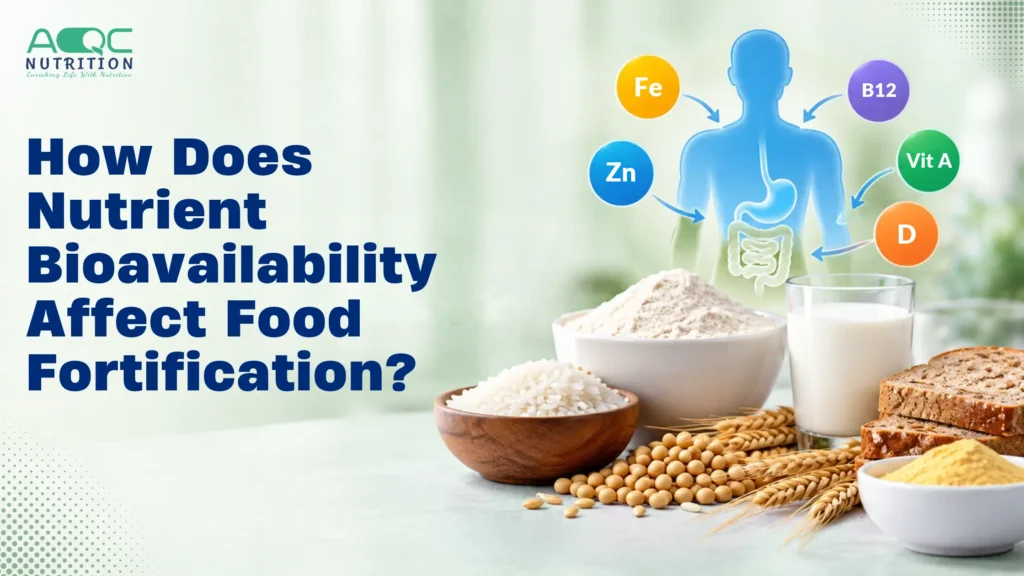
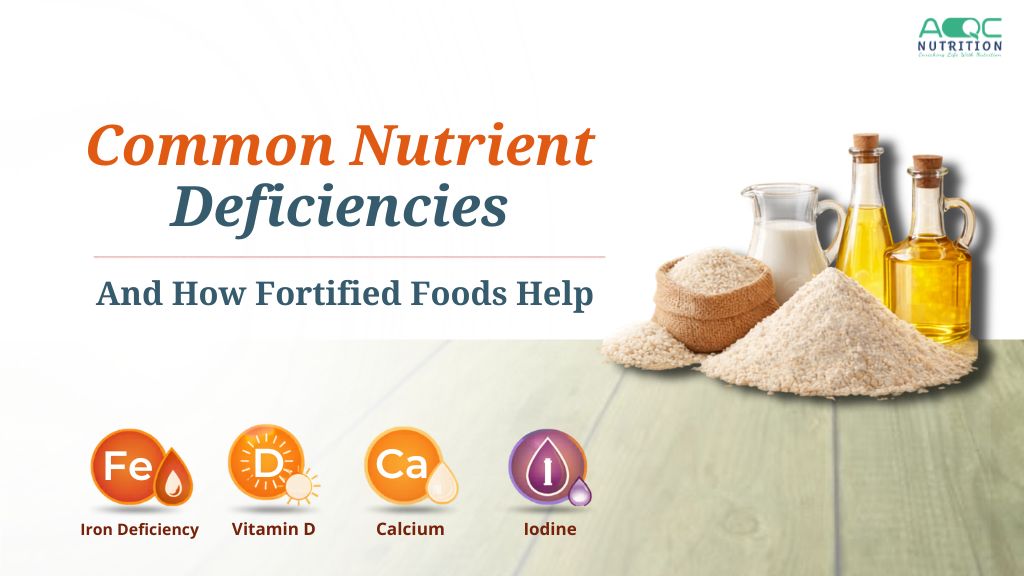
In most of the countries, people consume enough food daily, yet they still suffer from poor health. The problem is not always a lack of calories but a lack of nutrition. This type of problem is called micronutrient deficiency or “hidden hunger.” Even after eating, a person may feel full, but their body is still missing essential vitamins and minerals such as iron, folic acid, vitamin B12, and zinc. Rice premixes help fill this nutrition gap by adding important vitamins and minerals to daily foods like rice, making them healthier and better for overall health.
Hidden hunger affects women, children, and low-income families, leading to anaemia, weak immunity, poor growth, and learning issues. A simple long-term solution is fortified rice made with premix. In this article, we will explain how rice premix improves micronutrient deficiency.
What Is a Rice Premix?
Rice premix is a specially formulated powder or flour that contains essential vitamins and minerals required for better health. It is produced using extrusion technology to create Fortified Rice Kernels (FRK).
Key Nutrients in Rice Premix and Their Health Benefits

The fortified rice kernels (FRK) are mixed with regular rice in a fixed ratio of 1:100, meaning 1 kg of FRK is blended with 100 kg of normal rice.
From Premix to Fortified Rice: Simple 4-Step Process

After this blending process, the final product is called fortified rice. Once cooked, fortified rice looks, smells, and tastes exactly like regular rice. Most consumers cannot notice any difference, but the nutritional value is significantly improved.
Why Rice Is Used Worldwide for Nutrition
Rice is considered as one of the commonly used staple food in the world, especially in such countries like India, Bangladesh, Nigeria, Africa and other nations. Most families consume rice once or twice a day. Because it is consumed regularly, rice is one of the most suitable foods for delivering essential nutrients to a large population.
Instead of asking people to change their eating habits, scientists improved the rice itself. This is called rice fortification.
How Rice Premixes Help Public Health
1. Reduces Anaemia
Iron deficiency anaemia is very common, especially among women and teenage girls. Eating fortified rice daily slowly increases iron levels in the body and reduces weakness and dizziness.
2. Improves Health of Mothers and Babies
The folic acid and vitamin B12 are essential in pregnancy due to the growth of the brain and spinal cord of the baby and to avoid birth defects.
3. Increases Immunity
Zinc and vitamin A help the body fight from infections. People that regularly consume fortified rice become sick less often and recover faster.
4. Better Growth and Learning in Children
Children need nutrients for both physical and mental development. Proper nutrition improves memory, attention, and school performance. Many school meal programs now use fortified rice for this reason.
5. Affordable and Practical Solution
Supplements and tablets only work when people remember to take them. But food is eaten every day. When rice has been fortified at the milling stage, millions of people automatically receive nutrients without changing their routine. This makes it one of the most economical public health solutions.
How It Is Produced and Supplied
Rice mills use blending machines to mix rice premix with regular rice in the correct proportion, which produces Fortified Rice Kernels (FRK). The nutrients do not lose their stability even after washing and cooking. The Governments distribute this fortified rice through public distribution systems, ration shops, and school meal schemes.
India is not the only country that promotes fortified rice to improve nutrition levels and reduce future healthcare problems; many other countries also promote nutrition through fortified rice.
Why It Matters for Public Health and Economic Growth
Lack of nutrition impacts not only health but it also impacts education and productivity. Weak children fail to focus at school, and unhealthy adults cannot work efficiently. Over time, this impacts the whole economy.
The rice premixes provide a simple solution to a big problem. People get the essential nutrients daily without changing taste, cooking method, or eating habits. It is a preventive measure – instead of treating the disease in the future, it prevents the disease.
Conclusion
Rice premixes are turning ordinary rice into a health-supporting food. They help reduce anaemia, improve immunity, support child growth, and protect mothers’ health. Most importantly, they reach millions of people at a very low cost.
From deficiency to solution, fortified rice shows how small technological changes in food processing can create a big impact on public health. It is not just about improving rice — it is about improving lives.
Hidden hunger needs sustainable solutions. Partner with AQC Chem to develop high-quality rice premixes that support stronger communities and better public health outcomes.
Visit our Website: https://aqcchem.com.