Millions of people around the world eat enough food every day, but their bodies still do not get the nutrition they need. Even though they consume enough calories, they may lack essential vitamins and minerals that support healthy growth, strengthen the immune system, and maintain overall health. This condition is known as hidden hunger because the nutritional deficiency is not always visible but can have serious long-term effects on health.
According to many nutrition specialists around the world, micronutrient deficiency is one of the largest worldwide problems of Public health for all children , teenagers and the adults of every age category. Deficiencies in iron, vitamin A, iodine, zinc, folic acid, and vitamin B12 can lead to weakened healthy immune systems, decrease productivity, slow mental health development and increase the risk of chronic health diseases.
Fortunately, hidden hunger is prevented through balanced diets, food fortification, micronutrient supplementation, and developing nutrition awareness. Governments, food industries, and healthcare organizations are working together to improve nutritional security worldwide.
In this article, we will explore the causes, symptoms, health effects, and practical solutions for hidden hunger.
What Is Hidden Hunger?
Hidden hunger is that type of situation in which the body lacks important micronutrients like vitamins and minerals even though a person may consume enough calories. Because the symptoms develop slowly, so many people don’t realize they have a deficiency until it has a negative impact on their health.
Hidden hunger is not always detectable by body weight like protein-energy malnutrition. A person can look perfectly healthy and yet have nutrient deficiencies that affect physical and mental performance.
Hidden hunger commonly involves deficiencies in:
- Iron
- Zinc
- Vitamin A
- Iodine
- Folic Acid
- Vitamin B12
- Vitamin D
These vitamins and minerals play an important role in energy production, brain development, immune function, vision, metabolism, and healthy growth.
What Causes Hidden Hunger?
Several lifestyle, dietary, and socioeconomic factors contribute to hidden hunger.
Common causes include:
- Diets high in processed foods but low in nutrient-rich foods
- Limited intake of fruits, vegetables, pulses, dairy, and whole grains
- Poor dietary diversity
- Poverty and food insecurity
- Pregnancy and increased nutritional requirements
- Frequent infections that reduce nutrient absorption
- Digestive disorders affecting nutrient uptake
- Poor infant and young child feeding practices
As urbanization increases, many people consume convenient, calorie-rich foods that provide energy but lack essential vitamins and minerals.
Common Micronutrient Deficiencies That Cause Hidden Hunger
Different micronutrients perform different functions in the human body. Deficiency of even one can affect multiple body systems.
| Micronutrient | Importance | Common Effects of Deficiency |
|---|---|---|
| Iron | Supports oxygen transport | Fatigue, anemia, weakness |
| Vitamin A | Maintains vision and immunity | Night blindness, infections |
| Zinc | Supports immunity and growth | Slow growth, reduced immunity |
| Iodine | Essential for thyroid function | Goiter, developmental disorders |
| Folic Acid | DNA formation and pregnancy health | Birth defects, anemia |
| Vitamin B12 | Supports nerve function and red blood cells | Fatigue, nerve damage |
| Vitamin D | Bone health and immunity | Weak bones, muscle weakness |
Maintaining adequate levels of these nutrients is essential for lifelong health.
What is Signs and Symptoms of Hidden Hunger
Because hidden hunger develops gradually, its symptoms are often mistaken for stress or general fatigue.
Common signs include:
- Constant tiredness
- Low energy levels
- Weak immune system
- Frequent illness
- Poor concentration
- Hair fall
- Brittle nails
- Pale skin
- Delayed wound healing
- Muscle weakness
- Slow growth in children
- Reduced learning ability
If left untreated, these symptoms can worsen and affect overall quality of life.
Who Is Most Vulnerable to Hidden Hunger?
Although hidden hunger can affect anyone, certain population groups are at greater risk due to increased nutritional needs or limited access to nutritious food.
High-risk groups include:
- Infants and young children
- School-age children
- Adolescents
- Pregnant women
- Breastfeeding mothers
- Older adults
- Low-income families
- People with chronic digestive disorders
- Individuals following highly restrictive diets
Improving access to nutrient-rich foods and fortified staples is especially important for these unprotected groups.
Hidden Hunger in Children: Why Early Nutrition Matters
Children require sufficient vitamins and minerals to support rapid physical growth, mental health development, and a strong immune system. Even mild micronutrient deficiencies during early childhood can have long-term consequences.
Hidden hunger in children may result in:
- Stunted growth
- Poor memory and concentration
- Delayed cognitive development
- Frequent infections
- Reduced academic performance
- Lower physical activity
The first 1,000 days of life—from pregnancy until a child’s second birthday—are especially important for preventing lifelong nutritional deficiencies.
Parents should ensure children receive a balanced diet containing vegetables, fruits, dairy products, pulses, eggs, fortified cereals, and other nutrient-rich foods whenever possible.
Health Effects of Hidden Hunger
Hidden hunger affects nearly every system in the human body. While deficiencies may appear minor initially, long-term nutrient shortages can significantly increase healthcare burdens and reduce the quality of life.
Potential health effects include:
- Reduced immunity
- Increased risk of infections
- Iron-deficiency anemia
- Pregnancy complications
- Poor child development
- Reduced workplace productivity
- Learning difficulties
- Vision problems
- Bone disorders
- Higher healthcare costs
Beyond individual health, hidden hunger also impacts economic growth by reducing workforce productivity and increasing healthcare expenditure.
Dietary Solutions for Hidden Hunger
The first step in preventing hidden hunger is improving diet quality rather than simply increasing food quantity. We need to add nutrient rich foods in our daily life.
Nutrient-rich foods include:
- Milk and dairy products
- Whole grains
- Leafy green vegetables
- Citrus fruits
- Carrots and sweet potatoes
- Lentils and beans
- Eggs
- Fish
- Lean meat
- Nuts and seeds
Healthy nutrition habits:
- Eat a diverse diet every day.
- Include foods from multiple food groups.
- Choose whole foods over highly processed products.
- Consume seasonal fruits and vegetables.
- Maintain proper meal timing and hydration.
A balanced diet remains the foundation of good nutrition.
How Food Fortification Helps Prevent Hidden Hunger
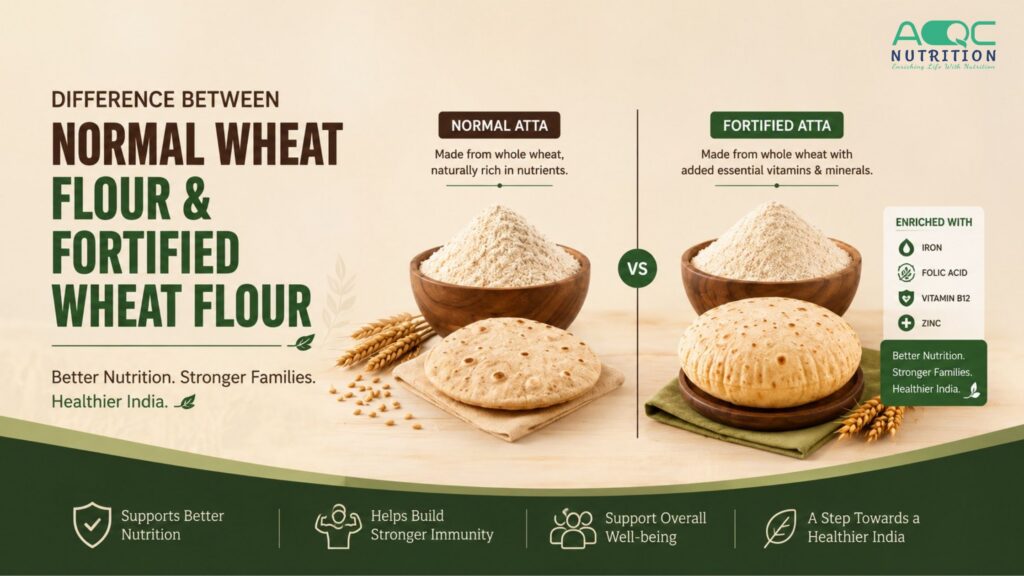
Food fortification is one of the most effective public health strategies for reducing micronutrient deficiencies. It involves adding essential vitamins and minerals to commonly consumed staple foods without changing their taste or appearance.
Commonly fortified foods include:
- Wheat flour
- Rice
- Edible oil
- Milk
- Salt
Benefits of food fortification:
- Improves population-wide nutrition
- Cost-effective and scalable
- Reaches large populations through everyday foods
- Helps reduce vitamin and mineral deficiencies
- Supports national nutrition programs
When combined with healthy eating habits, food fortification plays a significant role in improving nutrition security.
Role of Micronutrient Supplementation in Addressing Hidden Hunger
While food fortification benefits the general population, micronutrient supplementation is often recommended for individuals with increased nutritional needs or medically diagnosed deficiencies.
Healthcare professionals may recommend supplements for:
- Pregnant women
- Young children
- Older adults
- Individuals with anemia
- People with nutrient absorption disorders
Supplements should always be taken under professional guidance, as excessive intake of certain vitamins and minerals may also have adverse effects.
How AQC Chem Helps in Combat Hidden Hunger
At AQC Chem, we believe that better nutrition begins with better food.
We support food manufacturers in producing nutrient-rich fortified foods through scientifically formulated micronutrient premixes designed to meet national and international quality standards.
Our solutions include:
- Wheat flour fortification premixes
- Rice fortification premixes
- Milk fortification solutions
- Edible oil fortification premixes
- Customized micronutrient formulations
- Technical support for food manufacturers
- Quality assurance and regulatory compliance
By partnering with food processors and manufacturers, AQC contributes to improving nutrition security and reducing micronutrient deficiencies across communities.
Conclusion
Hidden hunger is a silent but common nutritional problem which impacts millions of individuals across the world. While someone might be eating adequate calories, they may be lacking sufficient amounts of some vitamins and minerals, which can result in serious health problems, especially for children, pregnant women and other unprotected groups.
Balanced diets, nutrition education, food fortification and responsible micronutrient supplementation are essential to prevent hidden hunger. Public health agencies, healthcare providers, food producers and nutrition experts all have a key part to play in creating healthier communities.
Investing in nutritious foods and scientifically developed nutrient fortification solutions will help us to achieve a future where the essential micronutrients needed for healthier and more productive lives.
Fight Hidden Hunger with Better Nutrition
Explore AQC Chem’s micronutrient premixes and food fortification solutions to help create more nutritious everyday foods.
Visit our website: www.aqcchem.com or Call on this number: +91-99207 79504