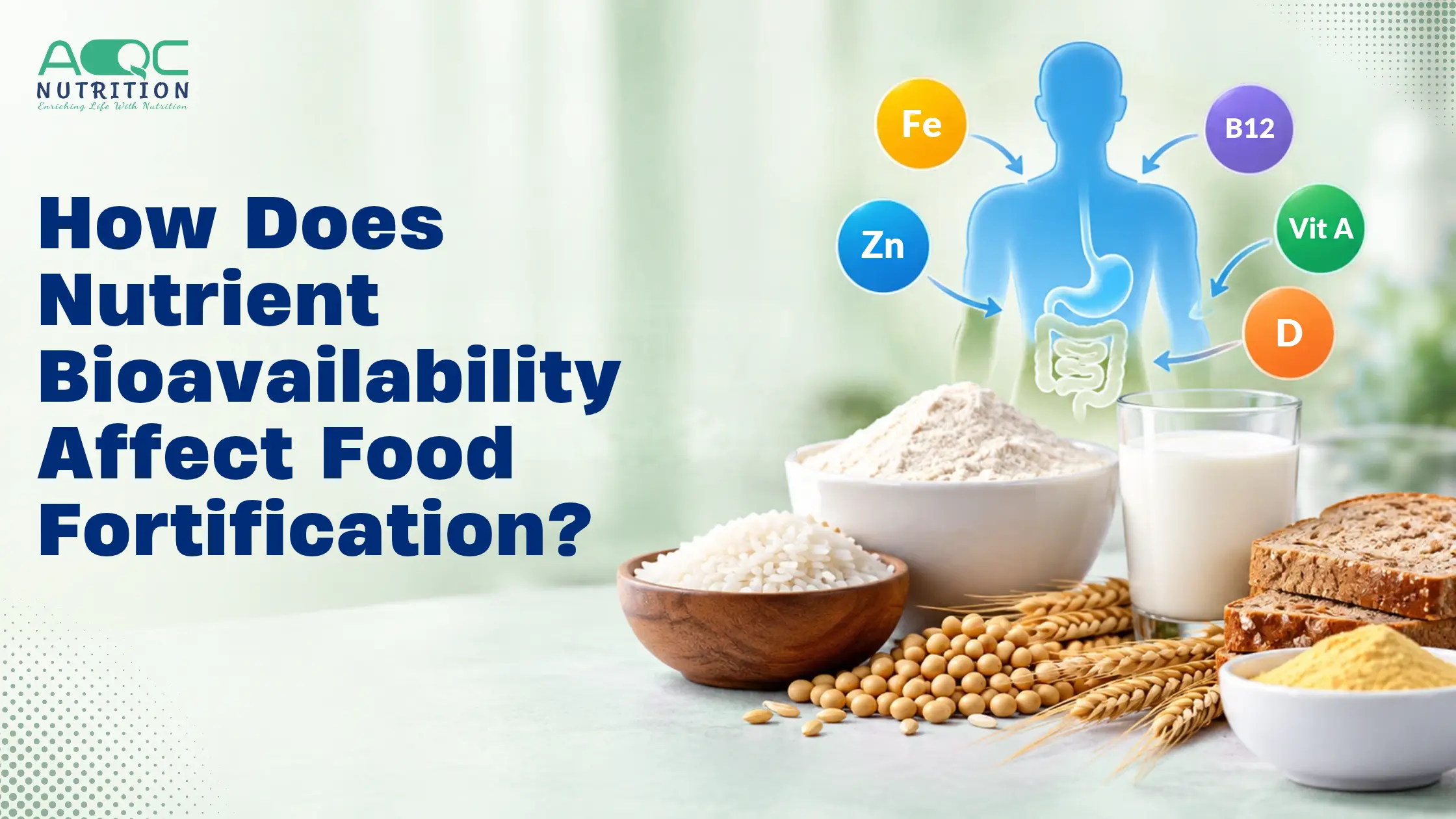
When it comes to food fortification, adding vitamins and minerals to a food is only one part of the process. An equally important question is how much of that nutrient can the body actually absorb and use?
This is where nutrient bioavailability becomes important.
A fortified food may contain a specific amount of iron, vitamin A, vitamin D, vitamin E, or another micronutrient. However, the nutritional value of that fortification also depends on factors such as the form of the nutrient, the food matrix, processing conditions, nutrient stability, storage, and interactions with other components of the diet.
In simple terms, effective food fortification is not only about how much nutrient is added, but also about how much remains available for the body to use.
What Is Nutrient Bioavailability?
Nutrient bioavailability refers to the amount of a nutrient that is absorbed from food and becomes available for the body to use.
This is different from simply measuring the nutrient content of a food.
For example, if a fortified food contains a certain amount of iron, that does not necessarily mean the body will absorb all of it. Some of the nutrients may be affected by the food matrix, processing, storage, or other compounds present in the food.
This is why modern micronutrient fortification considers both nutrient quantity and bioavailability.
A simple way to understand
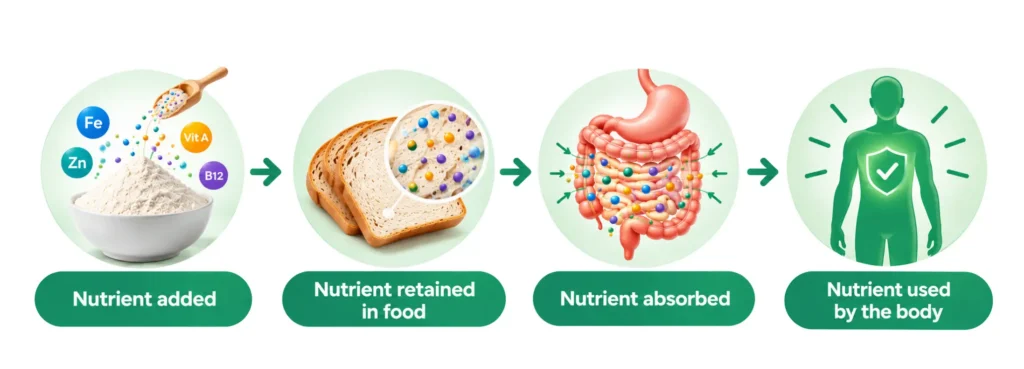
Each stage can influence the final nutritional outcome.
Why Is Bioavailability Important in Food Fortification?
The purpose of food fortification is to improve the nutritional value of commonly consumed foods and help address micronutrient deficiencies.
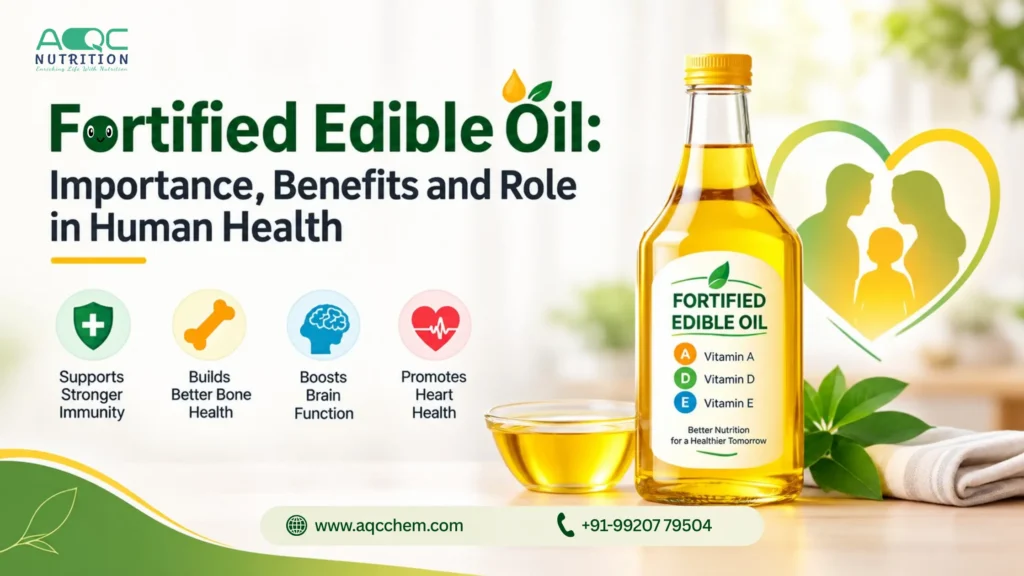
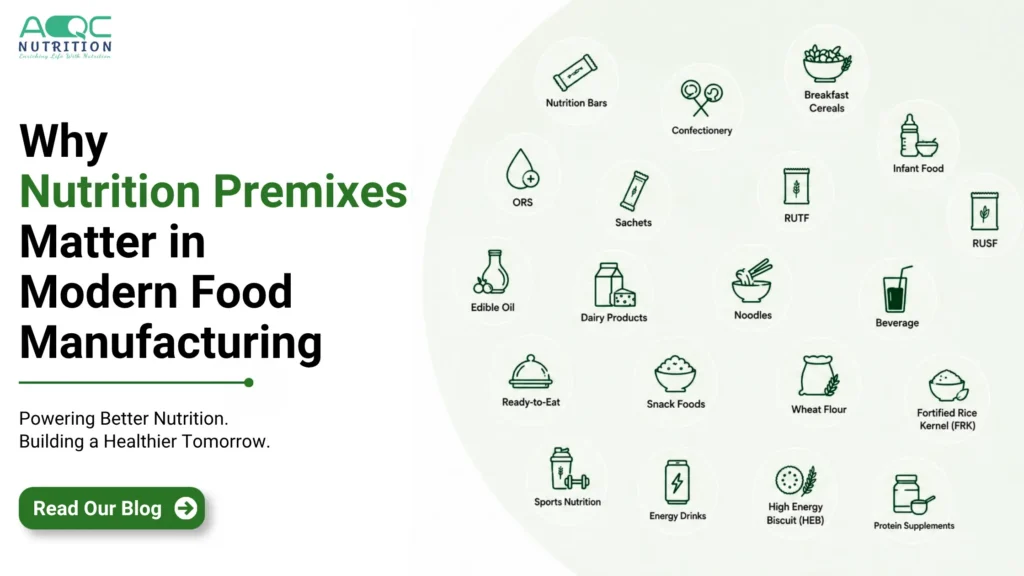
Staple foods such as wheat flour, rice, milk, edible oil and salt can be useful vehicles for delivering selected vitamins and minerals because they are regularly consumed by large populations.
However, simply increasing the amount of a nutrient does not always provide a proportional increase in the amount absorbed by the body.
According to the World Health Organization, the impact of a fortification programme depends on factors including the level of fortification, the bioavailability of the fortificant, and the amount of fortified food consumed.
Therefore, choosing the right nutrient form and designing a suitable fortification premix are important parts of the process.
What Factors Affect Nutrient Bioavailability?
Several factors can influence how effectively a nutrient is absorbed and used.
1. Form of the Nutrient
The form of a vitamin or mineral used for fortification can affect its absorption, stability and compatibility with the food. This is particularly important for minerals such as iron, where different compounds can have different absorption characteristics.
Therefore, fortificant selection should consider more than just the amount of nutrients supplied. The selected nutrient form should be appropriate for:
- The target food
- The required nutrient level
- Expected processing conditions
- Stability during storage
- Compatibility with other ingredients
- Intended nutritional purpose
2. Food Matrix
The food in which a nutrient is added can influence its stability and bioavailability.
For example, a nutrient added to wheat flour may behave differently from the same nutrient added to edible oil or milk because these foods have different compositions.
The interaction between the nutrient and the food matrix can affect nutrient retention, stability and absorption.
This is why a fortification solution should be designed specifically for the food application rather than treating every food in the same way.
3. Processing and Cooking
Fortified foods may undergo several processing steps before reaching consumers.
Mixing, heating, drying, milling, cooking and other processes can influence nutrient stability and retention. The effect depends on the nutrient and the conditions involved, including:
- Temperature
- Processing time
- Moisture
- Exposure to oxygen
- Light
- Food composition
A good fortification strategy therefore considers what happens to the nutrient after it is added, not only during premix preparation.
4. Nutrient Interactions
Nutrients and other food components can interact with one another.
Some compounds naturally present in foods can affect the absorption of certain vitamins and minerals. At the same time, certain nutrients may require specific conditions for effective absorption.
This makes nutrient compatibility an important consideration when developing a premix containing multiple vitamins and minerals.
The goal is to create a formulation where the selected nutrients remain suitable and stable throughout the intended application.
5. Storage and Packaging
Fortification does not end when the product leaves the manufacturing line.
Storage conditions can also influence nutrient stability. Factors such as heat, moisture, oxygen, light and storage duration may affect certain nutrients.
Suitable packaging and storage conditions can help protect the nutritional quality of fortified products.
For manufacturers, this means evaluating the complete journey of the nutrient—from production and packaging to storage and consumption.
Does More Nutrient Always Mean Better Nutrition?
Not necessarily, In food fortification, adding a higher amount of a nutrient does not always mean better nutritional results. What matters is whether the nutrient is provided at an appropriate level, remains stable in the food, and is available for the body to absorb and use.
This does not mean that the quantity of the nutrient is unimportant. The fortification level still needs to meet the intended nutritional requirement and follow applicable food safety standards and regulations.
The key is to find the right balance between nutrient quantity and bioavailability.
A well-designed fortification strategy should therefore consider two important questions:
- How much of the nutrient should be added?
- How much of that nutrient will remain available for the body to absorb and use?
In other words, effective fortification is not about simply adding more. It is about delivering the right nutrient, at the right level, in a suitable and stable form.
How Can Manufacturers Support Better Nutrient Bioavailability?
A well-designed fortification programme considers the complete formulation and production process.
Important considerations include:
- Selecting the appropriate vitamin and mineral forms
- Choosing a suitable fortification premix
- Checking nutrient-food compatibility
- Maintaining accurate dosing
- Achieving uniform mixing and distribution
- Evaluating nutrient stability during processing
- Considering storage and packaging conditions
- Testing the final fortified product
- Following applicable fortification standards and regulations
These factors can help manufacturers move beyond simply adding nutrients and focus on delivering consistent nutritional value.
The Role of Fortification Premixes
A fortification premix combines selected vitamins, minerals or other permitted nutrients in a controlled formulation designed for a specific food application.
Premix development may involve considering:
- Nutrient requirements
- Food matrix
- Dosage
- Nutrient stability
- Processing conditions
- Compatibility between nutrients
- Expected shelf life
- Regulatory requirements
This application-specific approach is important because there is no single fortification formula that works equally well for every food.
A premix designed for wheat flour may require different considerations from one developed for milk, rice or edible oil.
What Does the Future of Food Fortification Look Like?
The focus of food fortification is gradually moving beyond simply increasing nutrient levels.
Greater attention is being given to bioavailability, nutrient stability, nutrient delivery, formulation quality and application-specific fortification.
Research is also exploring technologies such as encapsulation and other delivery approaches that can help protect sensitive nutrients and improve their performance in different food systems.
For food manufacturers, this means that successful fortification increasingly depends on understanding the complete journey of a nutrient—from the premix to the final food and, ultimately, its absorption by the body.
Conclusion
Nutrient bioavailability plays an important role in making food fortification more effective. Adding vitamins and minerals to food is only one part of the process; their stability, absorption and ability to be used by the body also matter.
That is why effective food fortification should focus on both nutrient quantity and bioavailability. Selecting the right nutrient form, appropriate level and suitable fortification premix, while considering processing, storage and food compatibility, can help deliver better nutritional value.
In the end, successful fortification is not simply about adding more nutrients—it is about making sure the right nutrients are delivered in a form that can be effectively used by the body.
Looking for the right fortification solution?
Explore AQC Chem’s customized vitamin and mineral premixes for different food applications. Visit www.aqcchem.com or call +91-99207 79504 to discuss your requirements.