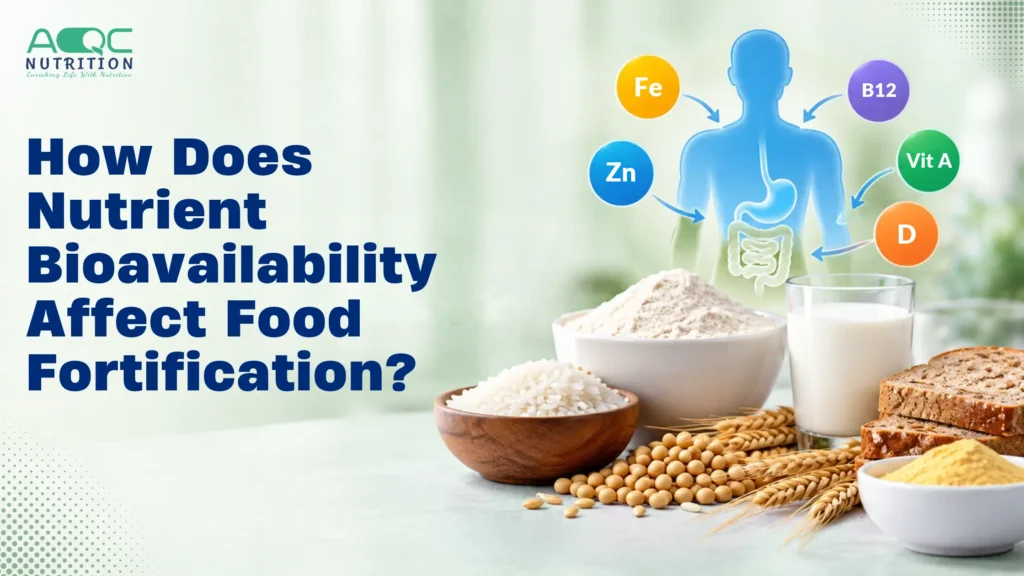
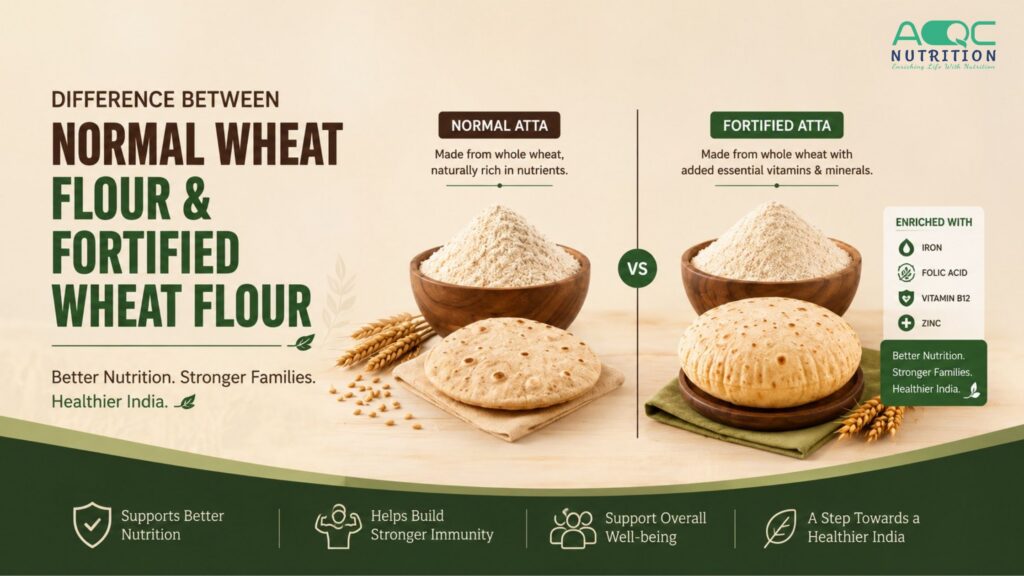
Food fortification is the process of adding essential vitamins and minerals for improving the food materials that are regularly consumed like flour, rice, oil, and milk. The primary role of it is to increase the nutritional value and minimize micronutrient deficiencies among the population. Whether fortification has many health advantages, the misuse of this technique can decrease its ability and effect on its quality, safety, and regulatory problems.
This article describes the most common mistakes that food manufacturers make in the process of fortification in a simple and easy-to-understand manner.
1. Choosing the Wrong Nutrients
The selection of wrong nutrients for a particular food product is one of the most common mistakes in food fortification. All foods do not match with all vitamins and minerals. Some nutrients can change the color, taste, or texture of the product whereas others may not be stable during the processing. For example, some types of iron will discolor and some of the vitamins will break down when heated or exposed to light. Fortification requires the choice of proper nutrients depending on the type of food and the process of food fortification.
2. Inaccurate Dosage of Nutrients
Fortification is to be measured with accuracy. Adding little amounts of nutrients does not provide health benefits, while adding too much amount, it can be harmful for consumers. High levels of vitamins like Vitamin A and Vitamin D, which are fat soluble, can cause long- term health risks. In Many Cases, Inaccurate dosing comes due to poor calculations, outdated formulations, or uneven mixing. The safe and consistent levels of nutrients are secure with the assistance of proper dosing systems and high-quality premixes.
3. Ignoring Ingredient Interactions
Many food manufacturers do not consider the interaction of the vitamins and minerals with other ingredients in the products. Many nutrients can react with proteins, fats, or carbohydrates and affect their nutritional value and it leads to quality problems like change of color or off-taste. When these interactions are not properly tested the outcome is that the products will fail to provide the required nutritional value. Food matrix knowledge and compatibility tests are also important steps in the fortification.
4. Lack of Stability and Shelf-Life Testing
Sometimes, nutrients can spoil by temperature, moisture, exposure to light, and packaging. Without stability testing, the fortified product can lose a lot of important nutrients before reaching the consumers. This results in products which are not up to label claims or nutritional standards. Shelf-life research and the use of protective packaging are essential to ensure the preservation of the nutrients during the lifecycle of the product.
5. Poor Quality Control Practices
Effective fortification depends on strong quality control measures. Some manufacturers are using formulation data only and do not perform routine testing. This increases the risk of uneven nutrient content in the final product. They should carry out quality checks at every stage, checking of raw material, in-process checking and testing of final products. Poor quality control can lead to regulatory problems, customer complaints and recall of the products.
6. Non-Compliance with Regulations
Food fortification is a highly controlled issue that differs over the countries. Regulations define the type of nutrients that can be added, the maximum dose that may be added, and labeling requirements. Ignoring or misunderstanding of these regulations can result in penalties, prohibition of doing business in the market or even rejection of the product. Food manufacturing companies should keep level with the current food safety and fortification requirements of current market demand.
7. Lack of Consumer Awareness
When it comes to lack of consumer awareness of fortified foods consumers are unaware of their advantages. Bad labeling and lack of information can minimize consumer trust and acceptance. Direct & clear communication about the nutritional value and motive of fortification helps consumers make informed choices and enhance the product credibility.
8. Not Consulting Technical Experts
Fortification is a technical process that involves technical knowledge in nutrition, food science and regulatory compliance. Many manufacturers make mistakes when trying to do the fortification without expert advice. Working with nutritionists, food technologists, and reliable premix suppliers helps reduce the error rate, improve the quality of products, and ensure compliance with standards.
Conclusion
Food fortification plays an important role in improving the health of people, but it should be done correctly. The wrong choice of nutrient, the wrong dosage, the low stability test, the poor quality management, and the non-compliance with the regulatory body may decrease the effectiveness of fortified foods. Through scientific practices, maintaining strong quality systems and expert assistance, food manufacturers are able to come up with safe, compliant and effective fortified products in terms of nutritional value. Proper fortification has not only the advantage of the consumers but also enhances the trust of the brand and long-term business.
For more details about our food fortification solutions and micronutrient premixes, please visit our website: AQC Chem Lab.