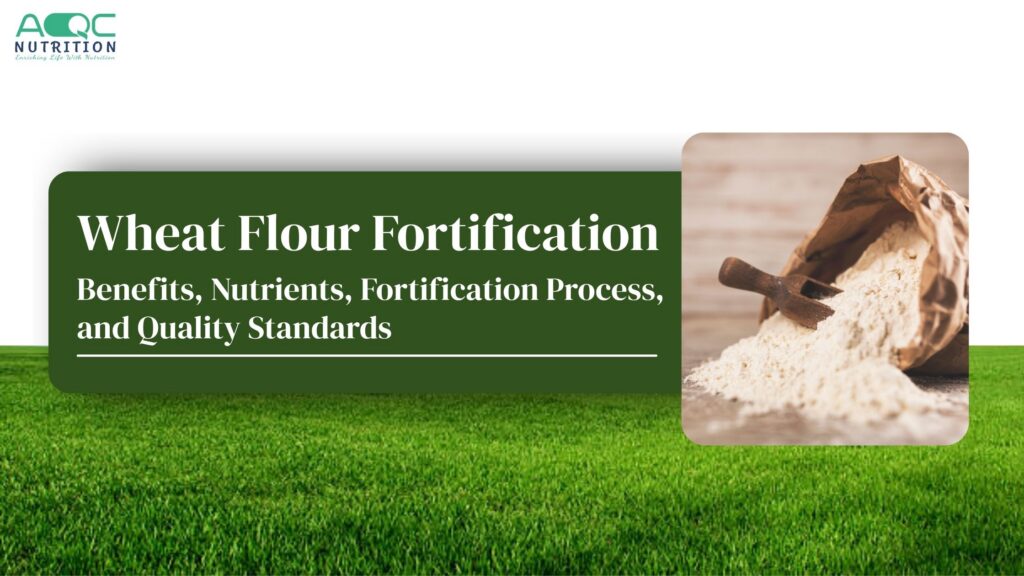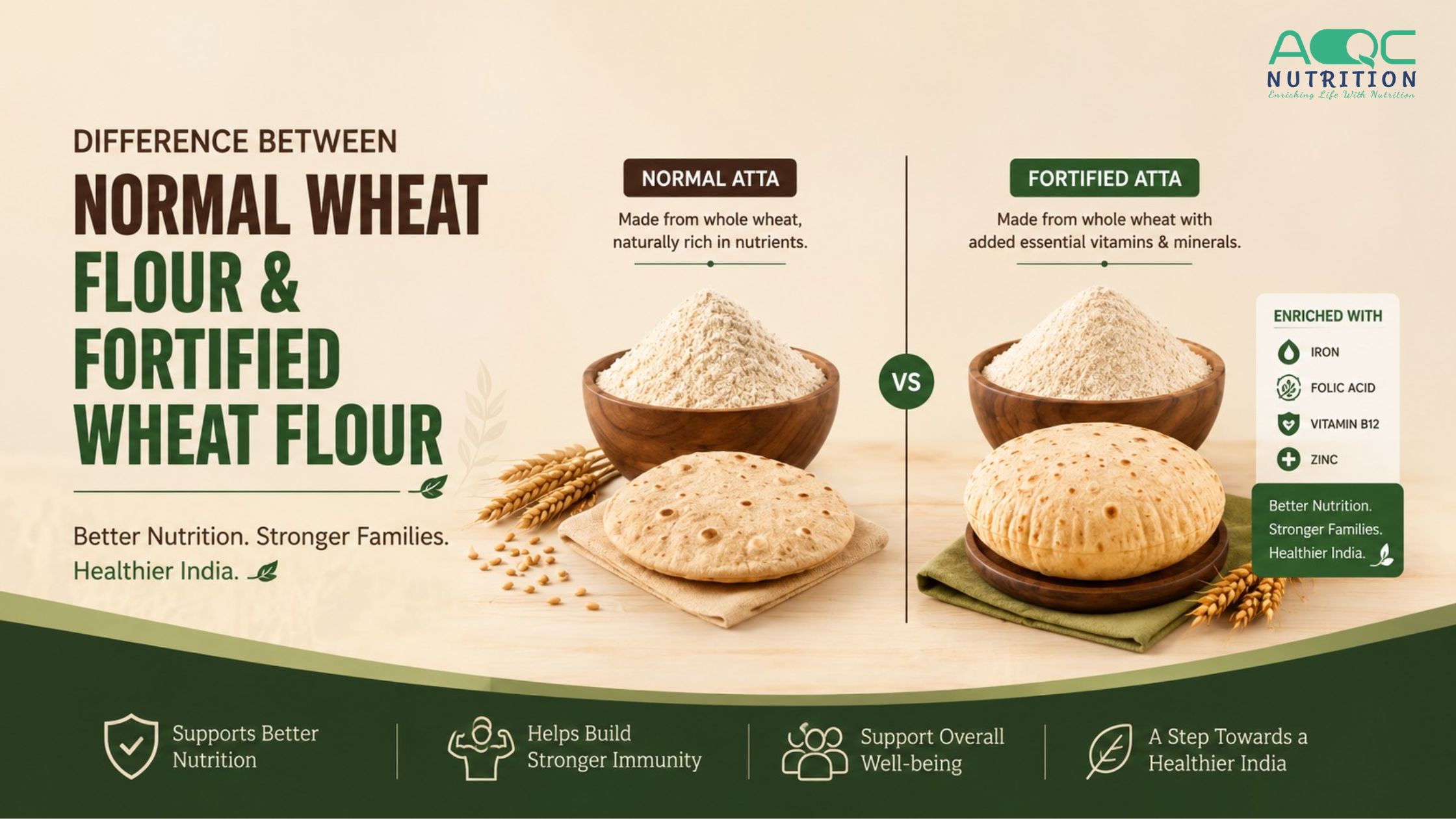
Wheat flour is one of the most important staple foods that are used in almost each and every Indian kitchen. It is used to make soft rotis, parathas and most other Indian food items, it is consumed daily in millions of households all over the country. It is the basic food used in everyday meals and provides energy, fiber, and essential nutrition.
In recent years, another term has started appearing on flour packets in the market — fortified atta. But, many consumers are still unaware of what fortified atta actually means, and how it differs from regular wheat flour consumed daily, and whether it offers any real nutritional benefits.
What Is Normal Atta?
Normal atta is also known as regular whole wheat flour, is the flour that is commonly used in Indian households for making rotis, chapatis, and parathas. It is prepared by grinding whole wheat grains into a fine powder through the traditional or modern industrial milling processes.
Since it is made from whole wheat, In Modern times normal atta has naturally contains less fiber, carbohydrates, protein, and other nutrients which are originally found in wheat grains. In the traditional chakki grinding method, the natural nutrients rich bran, germ, and the endosperm are usually maintained, which helps in maintaining the natural nutritional value of the wheat flour.
Normal Atta Generally Contains:
- Dietary fiber that supports digestion
- Carbohydrates for daily energy
- Plant-based protein (gluten)
- Naturally occurring vitamins and minerals
- Nutrients naturally present in whole wheat
Normal atta does not contain any added vitamins or minerals. Its nutritional value mainly depends on the quality of wheat and the milling process used during production.
What Is Fortified Atta?
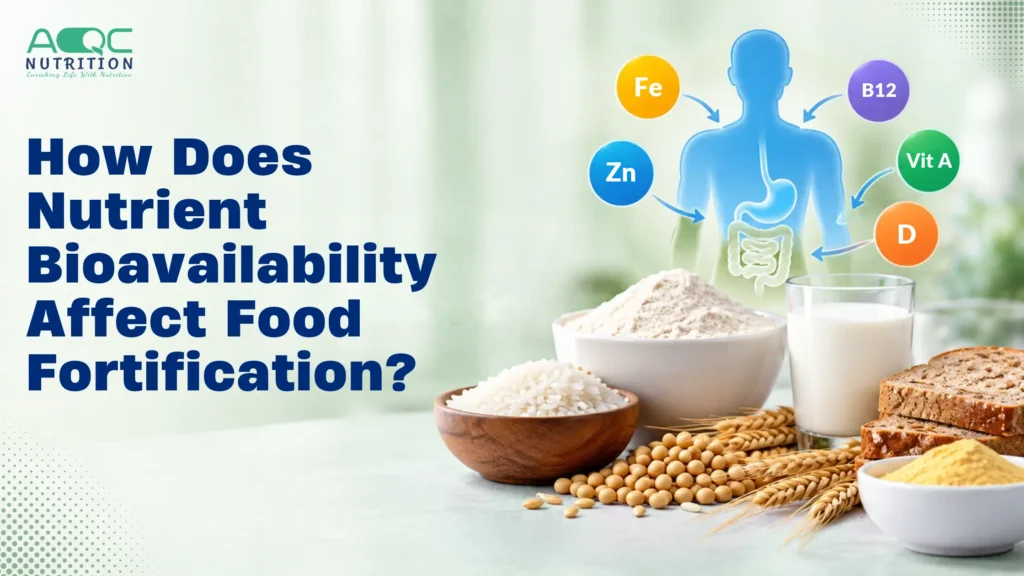
Fortified atta is regular wheat flour that has added essential vitamins and minerals to it during the milling process. During the milling process, grains lose some important nutrients, and fortification helps restore and enhance the nutritional value of the flour.
This process is known as a food fortification. It is commonly used in public health programmes to reduce micronutrient deficiencies in populations that do not receive sufficient amounts of some micronutrients in their regular diet.
The Food Safety and Standards Authority of India (FSSAI) has set standards for wheat flour fortification in India to improve its nutritional value and consumer health.
Fortified Atta Typically Contains Added Nutrients Such As:
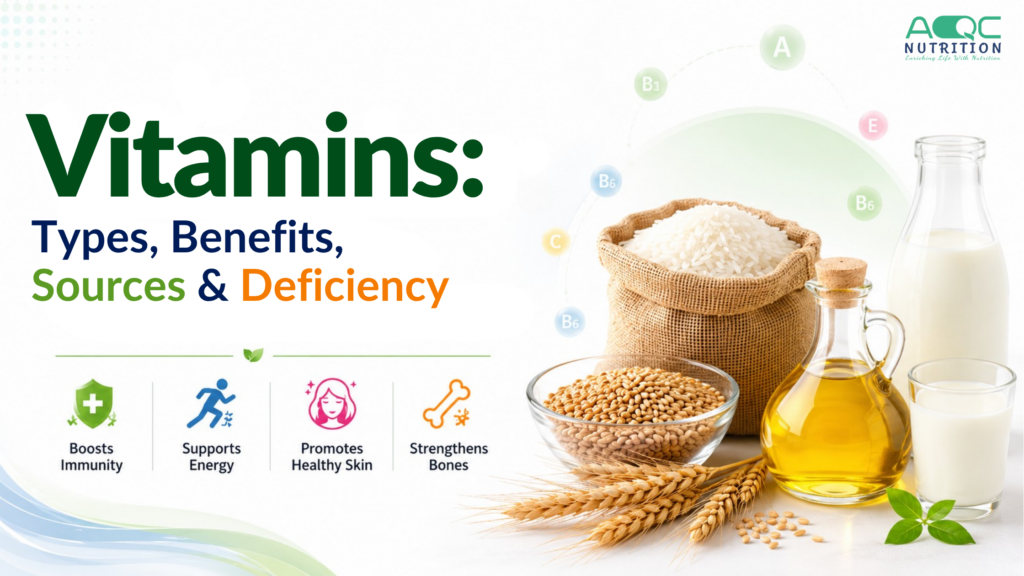
- Iron – Supports hemoglobin formation and helps prevent anemia
- Folic Acid (Vitamin B9) – Essential for cell growth and fetal development
- Vitamin B12 – Supports nerve health and red blood cell production
- Zinc – Helps strengthen immunity and metabolism
These nutrients are added in controlled levels during the milling process. The goal of fortification is not to replace the natural nutrition but it aims to improve the nutritional value of the flour.
Fortification does not affect the taste, texture, color, smell, or overall quality of the flour. Fortified atta looks, feels, and tastes similar to regular atta, and there is no noticeable difference in the rotis or chapatis prepared from it. Consumers can enjoy the same taste and appearance as regular wheat flour while receiving additional nutritional benefits. The main difference is that fortified atta contains essential micronutrients such as iron, folic acid, vitamin B12, and zinc, which help improve its nutritional value and support overall health while regular atta contains only natural micronutrients.
Key Differences Between Normal Atta and Fortified Atta
| Feature | Normal Atta | Fortified Atta |
| Nutrient Source | Naturally present in wheat grain | Natural nutrients + added micronutrients |
| Iron Content | Naturally present in limited quantity | Enriched through fortification |
| Folic Acid | Naturally very low | Added in defined quantities |
| Vitamin B12 | Not naturally present in plant foods | Added during fortification |
| Zinc | Naturally present in variable amounts | Added in many formulations |
| Taste and Texture | Same | Same |
| Purpose | Basic staple food | Nutritional enhancement |
Why Fortification Is Important
India continues to face a huge problem with the hidden hunger or micronutrient deficiency. Hidden hunger does not mean food shortage, but a shortage of essential vitamins and minerals in the daily diet.
Even when people consume enough calories, they may still suffer from nutritional deficiencies like iron, folic acid, and vitamin B12.
According to a National health survey report, Iron deficiency anemia is one of the most common nutritional issues in the country and it affects a large section of children, adolescent girls, and women of reproductive age, etc.
Fortification helps to improve this issue by providing essential nutrients through staple foods that are consumed daily by millions of households.
Because wheat flour is widely consumed across both rural and urban India, it serves as an effective medium for large-scale nutritional improvement.
This is also why government programs like PM POSHAN and Integrated Child Development Services (ICDS) have included fortified staples in their nutrition strategies.
Should You Choose Fortified Atta?
Normal and fortified atta is a choice that you need to make, depending on your day to day diet, lifestyle and nutritional needs.
Normal atta is generally suitable for individuals and families who already consume a well-balanced diet that includes vegetables, pulses, dairy products, fruits, and protein-rich foods.
Fortified atta can be a better option for those people who can not consume proper nutritional diet, it requires additional nutritional support, especially in households that include:
- Children and teenagers during growth and development stages
- Pregnant or breastfeeding women with higher nutritional needs
- Elderly individuals with lower food intake or weaker immunity
- Families with limited access to a diverse and nutrient-rich diet
Since some nutrients are lost during the milling process, fortified atta helps to restore the essential vitamins and minerals, making everyday meals more nutritionally balanced.
It offers a simple and easiest way to improve the amount of nutrition in the body without changing their regular eating habits or food preferences.
Conclusion
Normal atta is a staple food in Indian diets for generations, providing essential energy, fiber, and basic nutrition for everyday consumption.
Fortified atta is prepared by adding important vitamins and minerals that may be lost during the milling process. It is designed to help reduce common nutritional deficiencies and support all overall health.
One of the biggest advantages of fortified atta is that it enhances the nutritional value without changing in their taste, texture, cooking process, or regular eating habits.
In simple words, normal atta supports daily nourishment, while fortified atta offers additional nutritional support for a healthier lifestyle.
Ready to make a healthier choice for your family? Switch to fortified atta today and add essential nutrition to your daily meals without changing your taste or lifestyle.
Visit: www.aqcchem.com
Our Contact Details: +91-99207 79504