Vitamins are essential micronutrients needed by the human body in small amounts, yet they play a vital role in maintaining our health and wellbeing. They support growth, immunity, metabolism, and the proper functioning of organs. Unlike carbohydrates, proteins, and fats, vitamins do not provide energy directly, but without them, the body cannot work efficiently.
In modern diets, vitamin intake is often inadequate due to the growing consumption of processed foods, changing lifestyles, and reduced dietary diversity. As a result, food fortification has emerged as an effective strategy to bridge nutritional gaps and improve public health on a large scale.
Types of Vitamins
Vitamins are mainly classified into two categories based on how they are absorbed and stored in the body:
1. Fat-Soluble Vitamins
These vitamins dissolve in fat and are stored in the liver and body fat for future use:
- Vitamin A – important for vision, immunity, and skin health
- Vitamin D – essential for calcium absorption and bone strength
- Vitamin E – acts as a powerful antioxidant
- Vitamin K – helps in blood clotting and bone metabolism
2. Water-Soluble Vitamins
These vitamins dissolve in water and are not stored in the body, requiring regular intake:
- Vitamin C – Supports immunity and wound healing
- Vitamin B-Complex – Includes B1, B2, B3, B5, B6, B7, B9, B12, and plays a key role in energy production and brain function
Benefits of Vitamins
Vitamins are essential for maintaining multiple biological functions. Their benefits include:
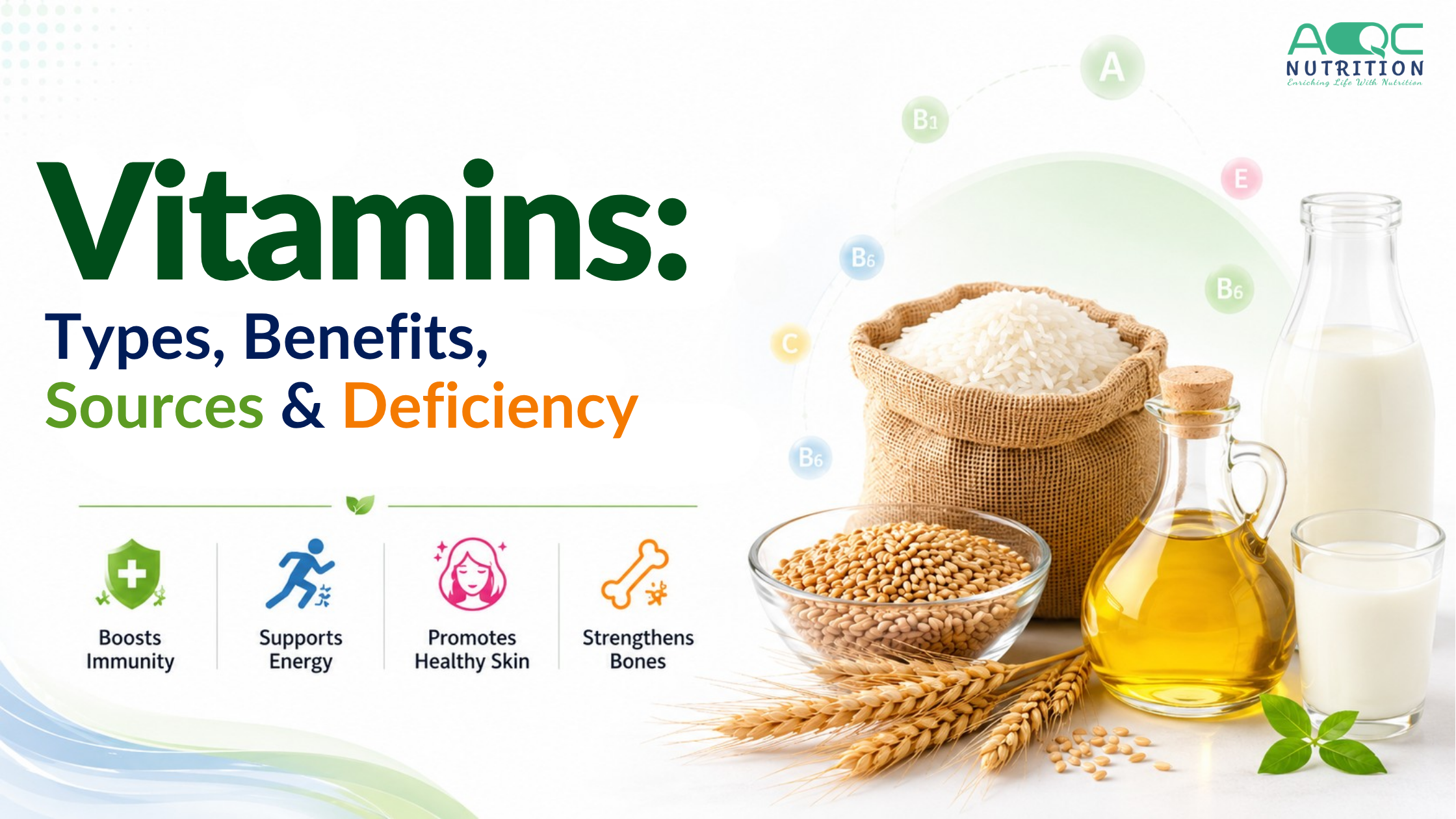
- Strengthening Immunity: Vitamin such as A, C, and D play an important role in strengthening the immune system and protecting the body from infections.
- Supporting Energy Production: B-complex vitamins help turn food into energy, ensuring proper metabolism and reducing fatigue.
- Improving Bone Health: Vitamin D and Vitamin K support calcium absorption and bone mineralization, preventing disorders like osteoporosis.
- Enhancing Skin, Hair, and Vision: Vitamin A and Vitamin E contribute to healthy skin, strong hair, and improved eyesight.
- Supporting Blood Formation: Vitamin B12 and folic acid are essential for red blood cell production and prevention of anemia.
- Acting as Antioxidants: Vitamin C and E help fight oxidative stress and protect cells from damage caused by free radicals.
Sources of Vitamins
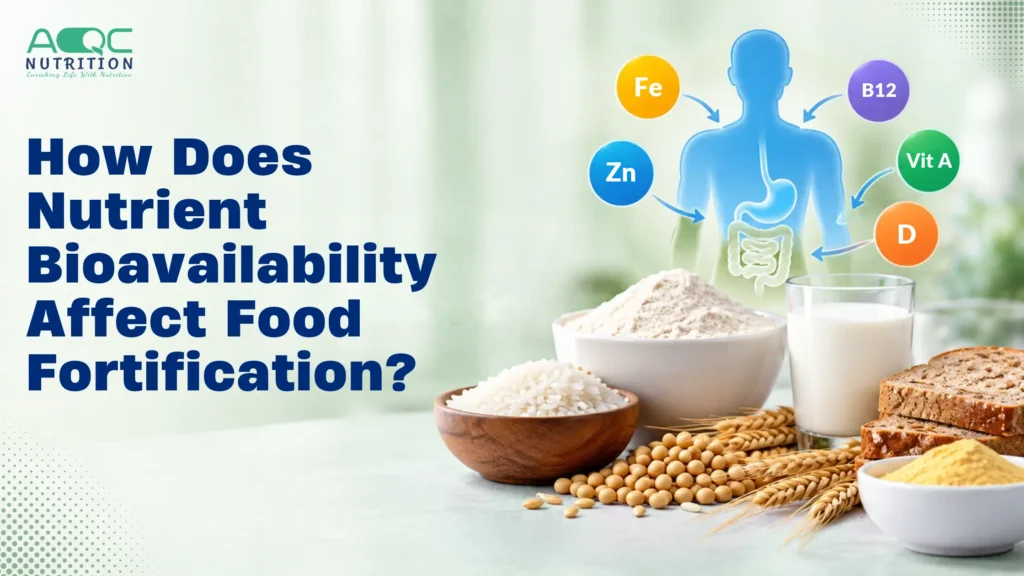
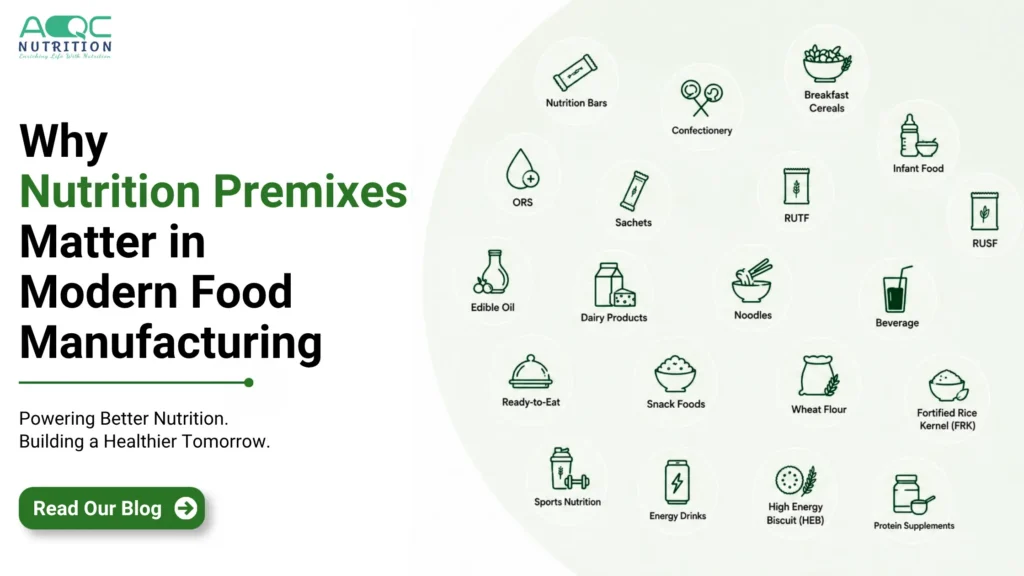
Vitamins are naturally present in fruits, vegetables, dairy products, grains, and animal-based foods. However, to address widespread nutritional deficiencies, food fortification has become a globally accepted solution.
- Wheat Flour Fortification
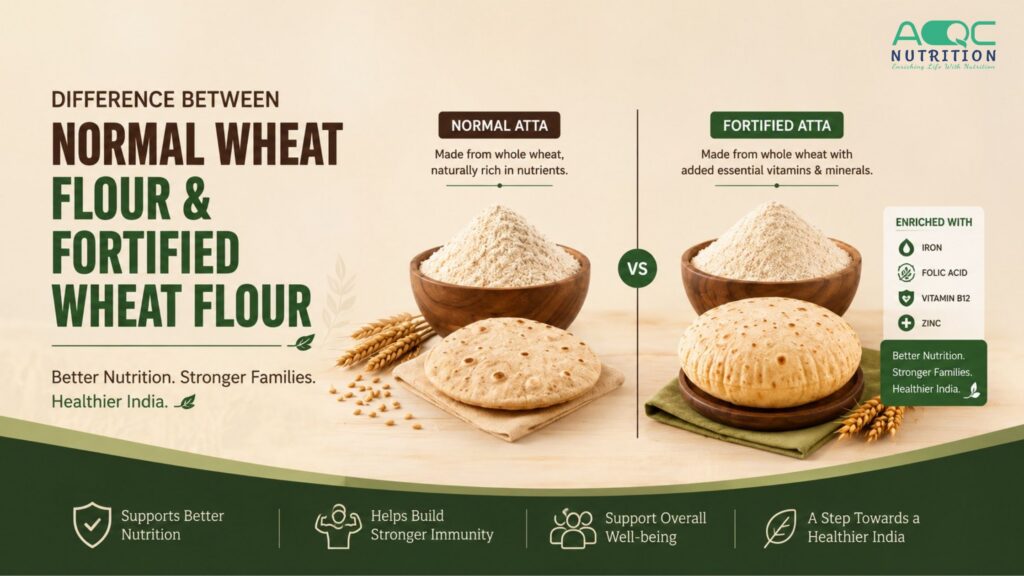
Wheat flour is widely fortified with necessary nutrients such as iron, folic acid, and B-complex vitamins. Since wheat is a staple food in many countries, fortification ensures large-scale nutrient delivery without changing eating habits.
- Rice Fortification
Rice fortification involves blending fortified rice kernels with regular rice. It helps reduce micronutrient deficiencies in populations that depend heavily on rice as a staple food.
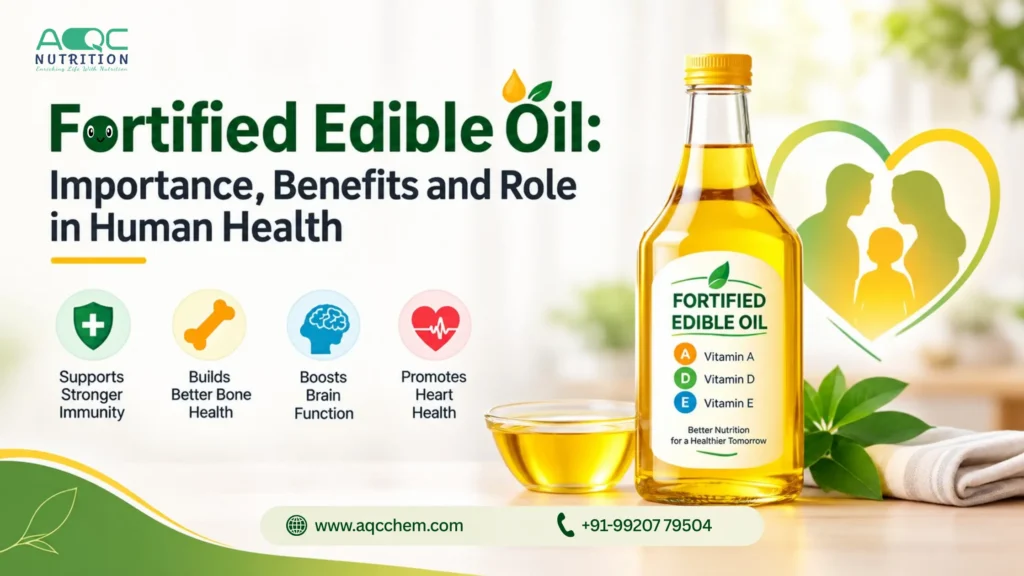
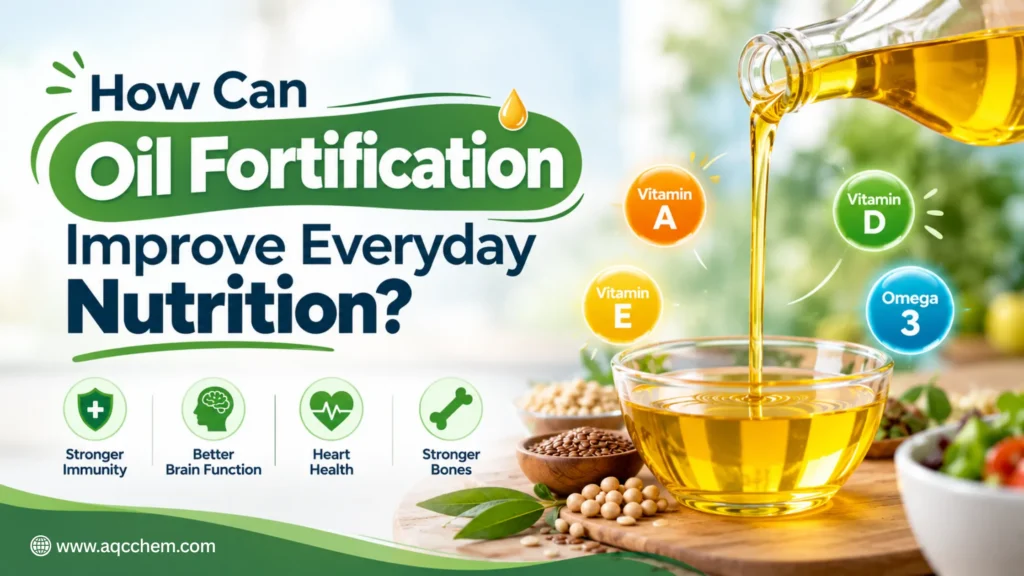
- Oil Fortification
Edible oils are fortified with vitamin A and D. Since these are fat-soluble, oil acts as an effective carrier, improving absorption in the body.
- Milk Fortification
Milk is fortified with vitamin A and D to enhance its nutritional value. This supports bone health, immunity, and overall growth, especially in children.
- Biscuit Fortification
Fortified biscuits are commonly used in school nutrition programs and emergency feeding initiatives. They provide essential vitamins in a convenient and affordable form.
- Infant Nutrition
Infant nutrition products are specially formulated with essential vitamins and minerals to support rapid growth, brain development, and immunity during early life stages.
- RUSF / RUTF
Ready-to-Use Supplementary Foods (RUSF) and Ready-to-Use Therapeutic Foods (RUTF) are energy-dense, vitamin-rich formulations designed to treat and prevent severe malnutrition in children and vulnerable populations. These products play a critical role in humanitarian nutrition programs.
Vitamin Deficiency and Its Impact
Vitamin deficiencies continue to be a major global health concern, especially in developing regions. Common deficiencies include:
- Vitamin A Deficiency – leads to night blindness and increased infection risk
- Vitamin D Deficiency – causes bone weakness, rickets, and osteoporosis
- Vitamin B12 Deficiency – results in anemia, fatigue, and neurological disorders
- Vitamin C Deficiency – leads to scurvy, poor immunity, and slow wound healing
Deficiencies often occur due to poor dietary intake, lack of awareness, and limited access to nutrient-rich foods. Over time, they can significantly affect productivity, health outcomes, and quality of life.
Conclusion
Vitamins are essential for sustaining life, supporting immunity, and ensuring proper body functioning. Even though they are required in small amounts, their absence can lead to serious health complications.
While natural food sources remain important, fortification of staple foods such as wheat flour, rice, oil, milk, biscuits, and specialized nutrition products like RUSF and RUTF plays a vital role in addressing micronutrient deficiencies at a population level.
When it comes to the food processing and milling industry, the fortification of food with vitamins is not only an additional nutritional advantage but also a commitment towards developing a healthier society.
Contact us today for advanced vitamin fortification solutions!
Visit our website: www.aqcchem.com
Contact number: +91-99207 79504