Iron is an important nutrient that our body needs to stay healthy. It plays a role in the formation of haemoglobin, the protein in red blood cells that transports oxygen around the body.
A lack of iron in the body may cause iron deficiency. If it continues for a long time, it may result in iron deficiency anemia.
But what causes iron deficiency?
There can be several reasons, including diet, poor absorption, blood loss and increased nutritional needs. It is important to understand these causes so that we can make better steps towards healthy iron levels.
In this blog, we will explore seven common reasons for iron deficiency and why they matter.
1. Not Getting Enough Iron From Food
One of the most common causes of iron deficiency is not getting enough iron from the daily diet.
Our body cannot produce iron on its own, so we need to get it from food. If a person does not eat enough iron-rich foods for a long time, their iron levels can gradually become low.
One of the most common causes of iron deficiency is not getting enough iron from the daily diet.
Iron cannot be made by the body, it must be consumed from other food sources. Over time, people who don’t consume adequate amounts of iron-rich foods may suffer from low levels of iron in their body.
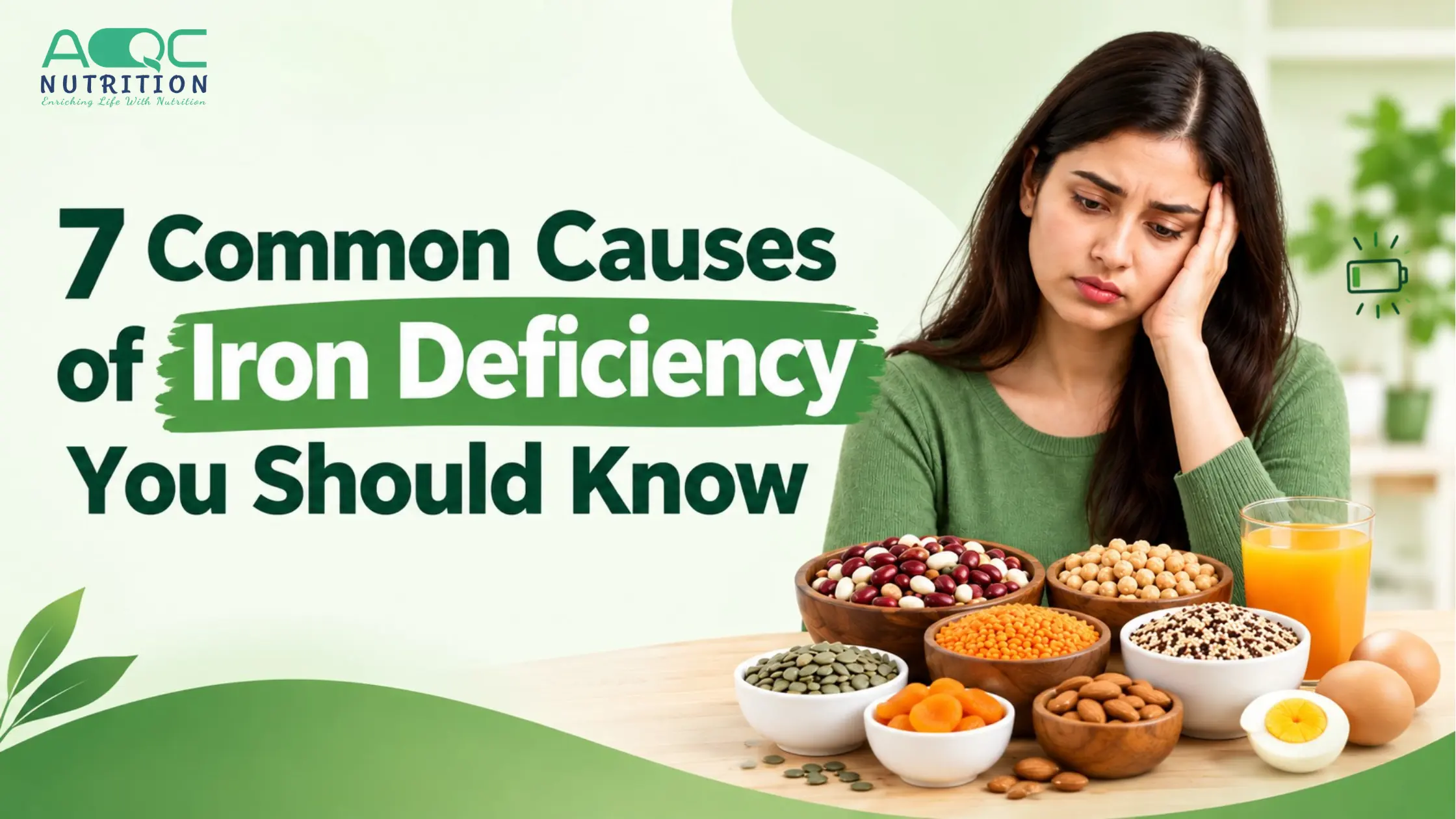
Some common sources of iron include:
- Beans and lentils
- Green leafy vegetables
- Meat and seafood
- Eggs
- Nuts and seeds
- Iron-fortified cereals and grains
Eating a balanced diet with different sources of iron can help provide the body with the nutrients it needs.
2. Poor Absorption of Iron
Consuming iron rich foods does not always mean that the body absorbs all the iron from it. The body may not absorb iron efficiently due to some digestive problems and health conditions.
Foods consumed along with iron can also affect its absorption. For example, Vitamin C can help improve the absorption of iron from plant-based foods.
That’s why iron intake and iron absorption are important factors to consider when talking about iron nutrition.
3. Blood Loss
Blood loss can also reduce the amount of iron in the body because iron is lost along with blood.
Blood loss can happen for different reasons, such as:
- Regular menstrual bleeding
- Injuries
- Surgery
- Certain health conditions
If blood loss happens regularly or over a long period, the body may not be able to replace the lost iron through diet alone. This can gradually reduce iron stores and may lead to iron deficiency anemia.
4. Increased Iron Needs During Pregnancy
The body requires more iron during a pregnancy. Extra iron is needed to support the mother’s increased blood supply, the growth of the baby and the development of the placenta.
During this time, the body does not receive the required amount of iron, which could lead to low iron levels.
This makes iron deficiency during pregnancy an important nutrition concern. Iron is needed in greater amounts during pregnancy and certain factors of a healthy diet and appropriate nutrition support can help satisfy those needs.
5. Rapid Growth in Children and Teenagers
During growth, children and teenagers require more nutrients.
Iron is particularly crucial during the period of rapid growth as it plays a vital role in red blood cell production and normal growth.
When the diet is not adequate for iron during these periods, there may be a higher risk of iron deficiency.
Eating foods that contain iron can play a role in promoting healthy growth and development.
6. Infections and Other Health Conditions
Diet is not the only cause of iron deficiency.
Iron or red blood cells production can be affected by some infections or long-term illnesses. Some digestive disorders can also impact the body’s ability to absorb nutrients.
It is important to understand the reasons behind iron deficiency, rather than focusing only on iron in the diet.
If iron levels are still low, a health professional can help determine the cause and recommend appropriate steps.
7. Poor Dietary Diversity
Eating a limited variety of foods can also increase the risk of nutrient deficiencies.
Excessive dependence on a limited number of basic foods could lead to iron and other micronutrient deficiencies.
A diet that’s rich in a variety of foods, such as foods containing iron, vegetables and fruits, legumes, grains and other nutritious foods, can help give you a broader range of nutrients.
Food fortification is also a valuable option to boost micronutrient intake in populations where access to a variety of foods may be limited.
Common Symptoms of Iron Deficiency
Iron deficiency can develop slowly, so symptoms may not always be noticeable in the beginning.
Some common iron deficiency symptoms include:
- Tiredness and low energy
- Weakness
- Headaches
- Dizziness
- Pale skin
- Shortness of breath
- Feeling cold
- Difficulty concentrating
These symptoms can also occur because of other health conditions. If iron deficiency is suspected, proper testing and advice from a healthcare professional are important.
How Can Iron Deficiency Be Prevented?
Preventing iron deficiency starts with getting enough iron and other essential nutrients through a healthy diet.
Here are some simple ways to support healthy iron levels:
- Eat Iron-Rich Foods: Include foods such as lentils, beans, green leafy vegetables, eggs, meat, seafood, nuts and fortified foods in the diet.
- Support Iron Absorption: Eating vitamin C-rich foods along with plant-based sources of iron can help the body absorb iron better.
- Pay Attention to Increased Needs: Children, teenagers and pregnant women may need more iron during certain stages of life.
- Maintain a Diverse Diet: Eating different types of nutritious foods can help provide a wider range of essential vitamins and minerals.
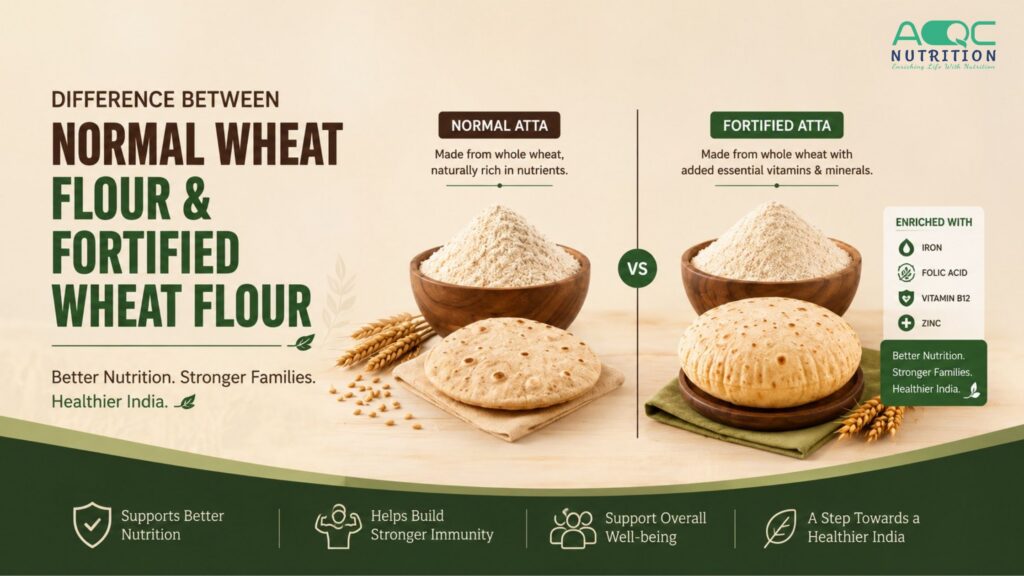
- Choose Fortified Foods: Where dietary iron intake is low, iron-fortified foods can help increase iron intake through commonly consumed foods.
The Role of Food Fortification in Reducing Iron Deficiency
Food fortification means adding important vitamins and minerals to commonly consumed foods.
It can be a useful nutrition strategy because it allows people to get additional nutrients through foods they already eat as part of their daily diet.
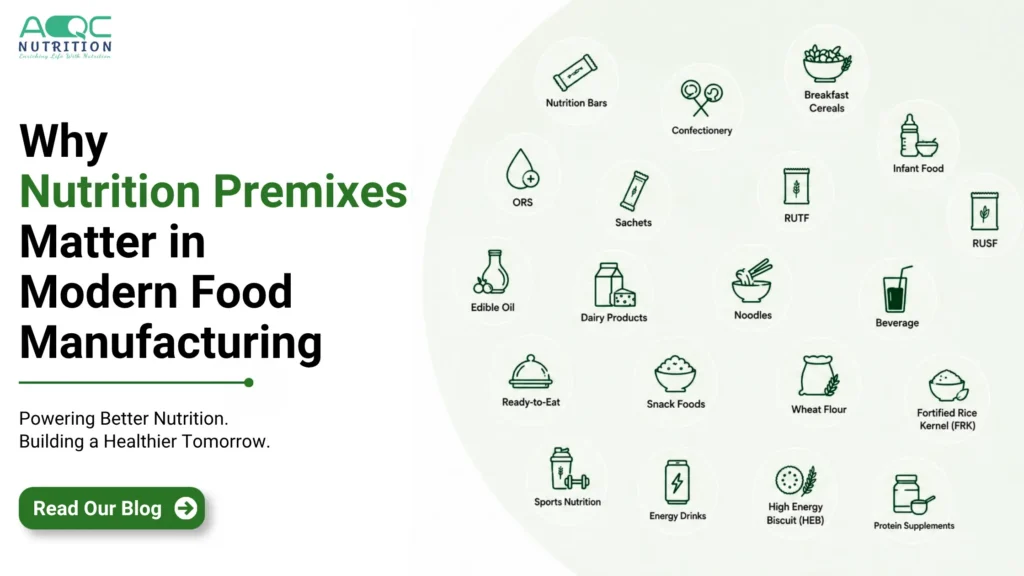
Foods such as wheat flour, rice, milk and other staple foods can be considered for micronutrient fortification depending on the needs of the population and applicable standards.
For effective iron fortification, several factors need to be considered:
- The right type of iron fortificant
- Appropriate fortification levels
- Good iron absorption
- Stability during processing and storage
- Proper mixing and uniform distribution
- Consumer acceptance
- Quality control
The goal is not simply to add more iron. It is to ensure that the right amount of iron is delivered in a stable and suitable form.
This makes choosing the right iron premix and fortification approach an important part of developing fortified food products.
Conclusion
Iron deficiency is caused by many factors. Poor dietary intake of iron, impaired absorption of iron, blood loss, pregnancy, fast growth rate, infection, disease, and limited variety of foods may lead to iron deficiency.
Understanding the factors mentioned above is a key step towards proper nutrition.
The iron requirement of the body can be met by a balanced and diversified diet. In addition, food fortification can be helpful in enhancing general nutrition goals through ensuring that the required micronutrients are delivered through common foods.
Given the increased attention being paid to iron deficiency, micronutrient nutrition, and food fortification, the appropriate fortification solutions can significantly enhance the nutritional content of everyday foods.
AQC Chem develops nutrition and fortification solutions designed to support effective delivery of essential micronutrients through suitable food applications. Explore our solutions at www.aqcchem.com or contact us at +91-99207 79504.